
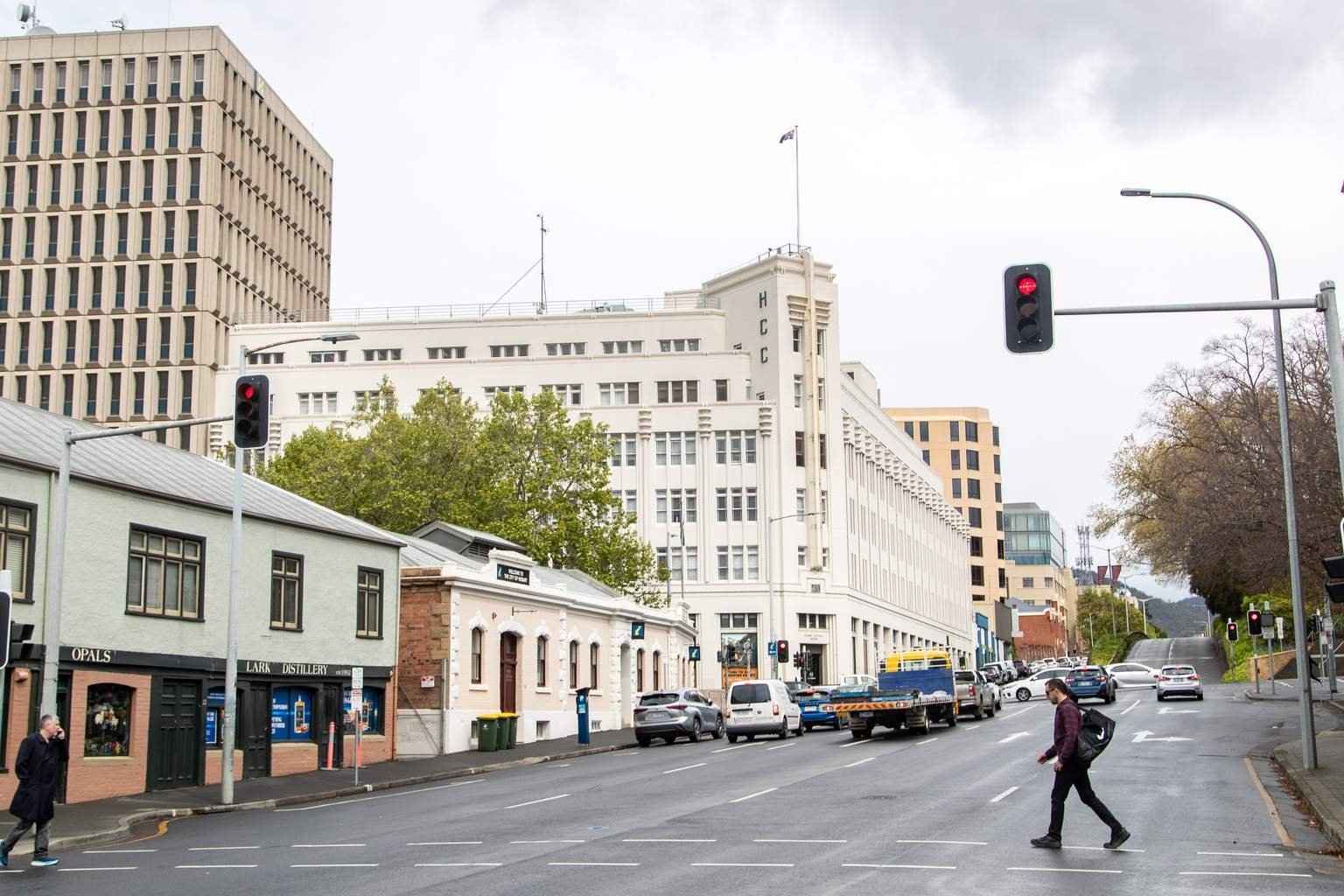
Hobart on the Brink of Its First All-Male Council in More Than 70 Years as Just Three Votes Threaten to Erase Women From the Chamber and Veteran TV Journalist Charles Wooley Surges Ahead in Lord Mayor Race
- A single woman, former political staffer Tiffany Ashdown, is clinging to the ninth and final seat on Hobart City Council, with incumbent Ben Lohberger only three votes behind her after preferences.
- If the seat flips, Hobart would have an all-male chamber for the first time since 1954, when lawyer Mabel Miller became the first woman elected to the council.
- Former 60 Minutes reporter Charles Wooley leads the race for lord mayor, while early figures point to a rightward swing that could hinge on roughly 100 votes.
- Across Tasmania, a shrunken pool of council seats and a wave of first-time mayors are reshaping local power before results are finalised on Tuesday, November 3.
Three votes. That is all that may stand between Hobart and a council chamber without a single woman in it.
For more than seven decades, the capital has never gone back. Now, with ballots still being counted, it is perilously close to doing so, and the consequences reach well beyond who gets the seat.
The latest count shows nine positions from a field of 32 candidates, and only one woman is currently inside that line. Tiffany Ashdown, who previously worked for Peter George, the independent Member for Franklin, held ninth place on Thursday morning.
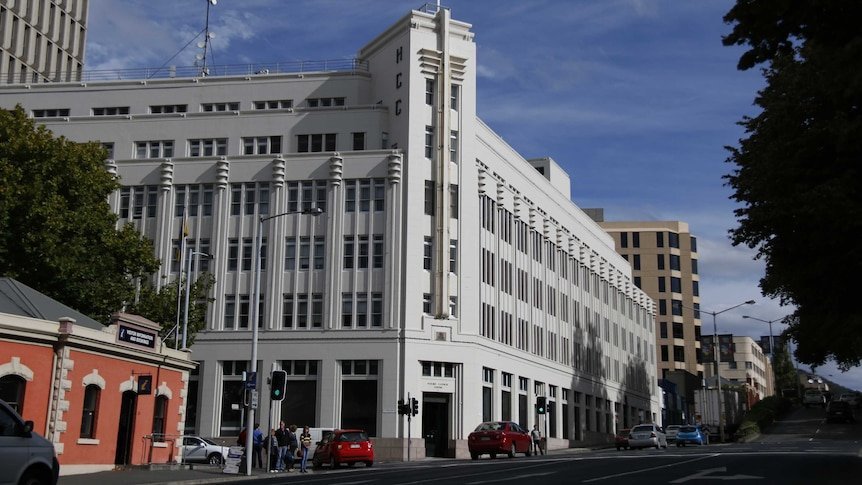
Directly behind her sits sitting councillor Ben Lohberger. Once preferences are taken into account, the gap between them is a mere three votes.
Several other women are also in the hunt, though none are currently in a winning position. Incumbents Louise Elliot, Zelinda Sherlock and Louise Bloomfield are trailing, but not by much, sitting only a short distance behind Mr Lohberger.
Just one fifth of Hobart’s vote has been tallied so far.
The Tasmanian Electoral Commission has said counting for the capital’s council positions will only push forward once every council across the state has reached the same 20 per cent mark.
All results are expected to be finalised by Tuesday, November 3.
At the top of the ticket, the race for lord mayor has its own headline act.
Veteran journalist and author Charles Wooley, best known to many Australians from his years on 60 Minutes, was leading on Thursday morning with 23.8 per cent of the vote.
Elsewhere, the night delivered a run of surprises.
In the Huon Valley, Abby McKibben, who works as communications manager for Hobart City Council, will take over as mayor after winning 50.17 per cent of the vote.
She replaces Sally Doyle, who is retiring.
In Launceston, Matthew Garwood was comfortably returned as mayor with 53.2 per cent.
In a social media post, he said he was thrilled to secure another four-year term, crediting a low-key campaign with minimal signage that let his record do the talking.
The stakes in Hobart are historic. According to council records, the chamber was exclusively male until 1954, when Mabel Miller, a lawyer, broke through to become its first female member.
Should Mr Lohberger overtake Ms Ashdown and the remaining positions hold steady, that milestone would effectively be undone, leaving the city’s governing body without a female voice at the table.
The timing is no accident of arithmetic alone. Tasmania’s local government landscape has been redrawn by legislative amendments that cut the number of councillors statewide.
The five largest councils, including Hobart, have shrunk from 12 seats to nine. All other councils now have seven.
Fewer seats mean tighter contests, smaller margins and less room for diversity.
In some places, the change has produced the opposite problem: King Island and Tasman councils attracted fewer nominations than they had seats to fill, leaving several candidates elected unopposed.
Voter engagement, meanwhile, has edged upward. More than 85 per cent of eligible Tasmanians returned their ballots, a slight rise on the previous council elections.
Analysis: What This Means for Australia
Local councils are the level of government closest to people’s daily lives. They decide on rates, roads, rubbish collection, planning approvals and community services.
When the makeup of a council narrows, so too can the range of experiences shaping those decisions.
An all-male council in a capital city would be a striking outcome at a time when women in politics has become a national conversation. It would also raise awkward questions for other states considering similar reforms to trim council numbers in the name of efficiency.
The apparent political shift adds another layer. Election analyst Kevin Bonham told ABC Radio Hobart that early figures suggest a swing toward right-leaning candidates.
On current numbers, he said, the right could hold a five-to-four majority, though that margin rested on only about 100 votes and could still change.
A one-seat majority could shape everything from development decisions to how the city responds to the housing crisis and pressures on cost of living.
Then there is the structural question now being openly pushed. Re-elected Devonport mayor Alison Jarman, who secured more than 9,000 first-preference votes, has named council amalgamations as a top priority.
She told ABC Northern Tasmania she had already approached Premier Jeremy Rockliff about merging Devonport with its neighbouring councils.
The four councils have already formed an alliance, Ms Jarman said, and she questioned why they should not take the next step and become a single entity.
If that push gains momentum, Tasmania could be heading toward a far leaner model of local governance, with significant implications for jobs, service delivery and local identity.
Political observers say the reduced seat numbers have turned Tasmanian council contests into knife-edge affairs where a handful of preferences can rewrite the composition of a chamber.
Governance experts warn that smaller councils risk concentrating influence in fewer hands, making each seat, and each vote, more consequential than ever.
Community advocates believe the Hobart result, whichever way it falls, will become a reference point in debates about representation and whether structural reforms are inadvertently squeezing out women and newcomers.
Not every result points that way. Several incumbents held firm, including Sue Hickey in Glenorchy, Mick Tucker in Break O’Day and Rachel Summers on Flinders Island.
A new generation is also stepping up. In Waratah-Wynyard, Chloe Foster has been elected both as a first-time councillor and as mayor, with the backing of outgoing mayor Mary Duniam.
Other fresh faces in the top job include Greg Dawson in George Town, Rick Shegog in West Tamar, Stephanie Cameron in Meander Valley and Vonette Mead in Latrobe.
All four served as deputy mayors during the last term.
Counting for deputy mayor positions began on Thursday. But for now, all eyes are on Hobart, where three votes may decide whether a 72-year-old milestone survives.