
‘Words Matter’: AFP Chief Links Inflammatory Political Rhetoric to Surge in Threats Against MPs as Helen Haines Fights On After Losing Both Legs in Horrific Car Attack
- Australia’s top federal cop says there is a “direct connection” between heated political messaging and abuse aimed at parliamentarians, and warns the backlash can be “very immediate”.
- Independent MP Helen Haines remains in hospital in a serious but stable condition after both her legs were amputated following an attack outside her Wangaratta office.
- Asked about One Nation cartoons depicting politicians being struck by cars, Commissioner Krissy Barrett said such content could be the kind of discourse she was describing.
- MPs return to Canberra rattled, as the AFP admits it can advise politicians on their safety but cannot make those decisions for them.
Federal parliament will sit this week with one seat conspicuously empty and a chilling question hanging over every member who walks through its doors.
Is the nation’s political debate now putting lives at risk?
According to the woman in charge of the Australian Federal Police, the answer is yes, and the evidence lands on her officers’ desks every time the national conversation turns ugly.
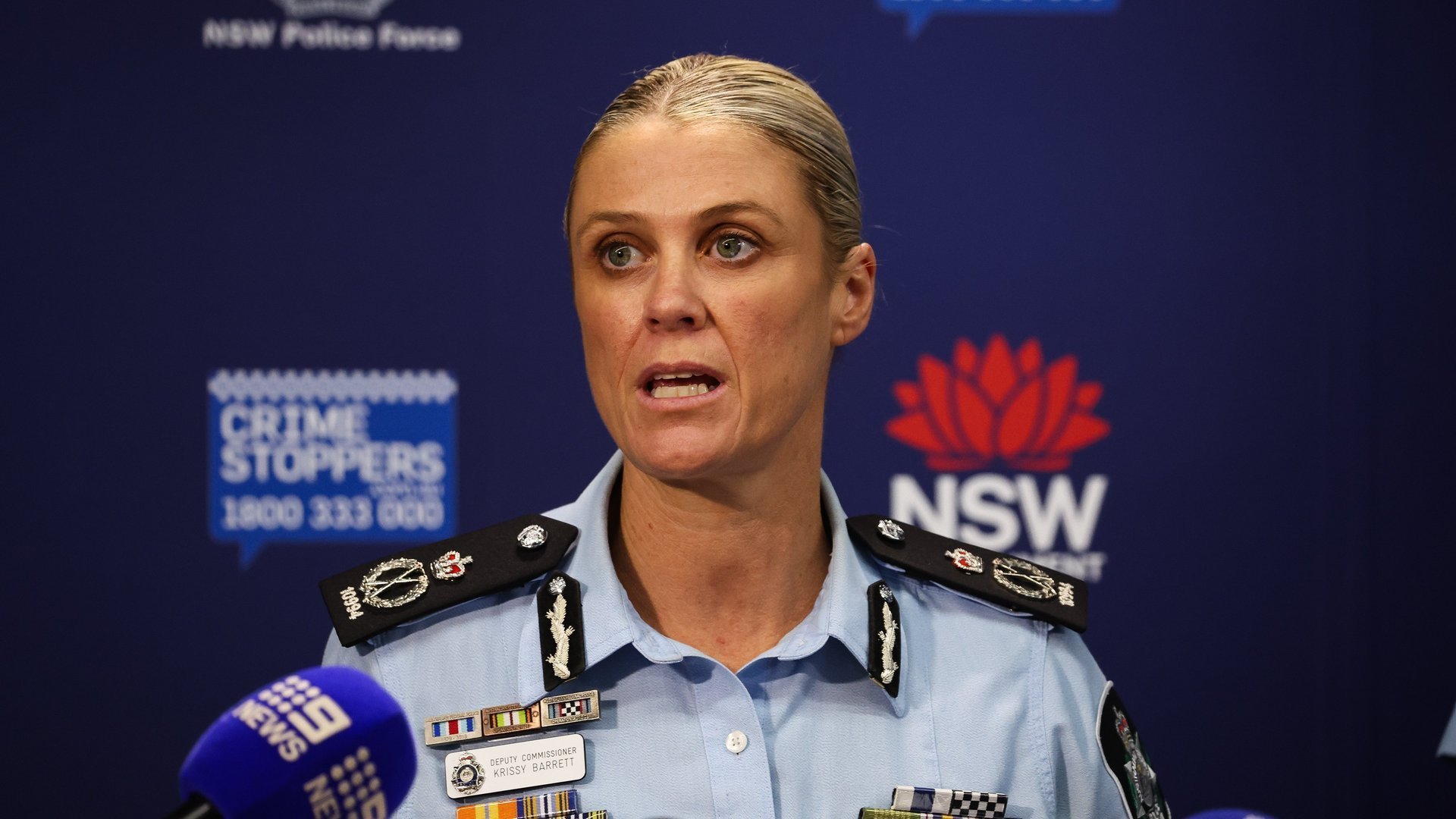
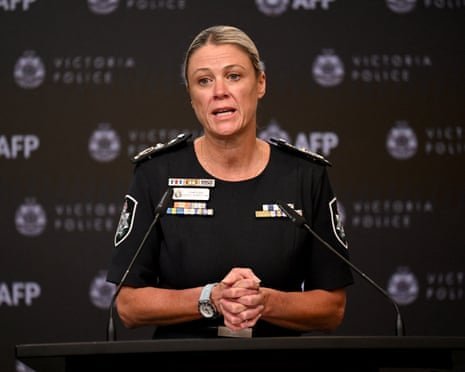
AFP Commissioner Krissy Barrett has delivered one of the starkest warnings ever issued by a serving police chief about the state of Australian democracy, declaring there is a clear and measurable link between “particular political discourse” and the threats and abuse flooding into the offices of federal politicians.
Speaking on the ABC’s Insiders program, Commissioner Barrett said police routinely watched harassment of MPs spike in the wake of inflamed public debate, describing the relationship as a “direct correlation” that could sometimes take effect almost instantly.
She insisted the AFP had no interest in policing opinions or muzzling legitimate argument.
But she drew a firm line at threats of violence, challenging Australians to read the material reported by parliamentarians and try to defend it as free speech.
Pressed on whether One Nation’s cartoons showing politicians being hit by cars fell into the category she was describing, the Commissioner declined to single out any party, but said they could.
She noted that certain announcements and content provoked a reaction in the community, adding: “Words matter.”
The intervention comes days after independent Member for Indi Helen Haines was struck by a car outside her electorate office in the regional Victorian city of Wangaratta.
The consequences were devastating. Dr Haines suffered critical injuries and has since had both legs amputated.
She remains in hospital in a serious but stable condition.
Brendan Nugent, 43, has been arrested and charged over the incident. The allegations have not been tested in court.
Commissioner Barrett was careful not to pre-empt the investigation. She said detectives were working to establish a motive, a process she warned could stretch over weeks or even months.
Media reports had raised questions about the accused man’s mental health and his social media activity, she acknowledged, but police needed to examine all of it before determining whether the attack was connected to Dr Haines’ role as a federal MP.
The attack on Dr Haines did not happen in a vacuum.
For years, law enforcement agencies have been sounding alarms about the deteriorating safety of Australia’s elected representatives. A parliamentary inquiry has already heard evidence describing an increasingly dangerous security environment for those in public office.
The rise of algorithm-driven outrage, polarised online communities and the blurring of entertainment and political messaging have created a volatile mix.
Content designed to provoke can now reach millions in hours, and police say the fallout lands squarely on individual politicians and their staff, many of whom work from shopfront offices in suburban streets and country towns.
Overseas, the warning signs have been impossible to ignore. Democracies including the United Kingdom have mourned MPs killed while serving their constituents, prompting painful reckonings about the accessibility that underpins representative government.
Now Australia faces its own moment of reckoning.
Analysis: What This Means for Australia
The implications of Commissioner Barrett’s remarks reach far beyond Parliament House.
On national security, the message is unmistakable: threats to elected officials are no longer fringe incidents but a recognised risk to the functioning of government itself.
When MPs fear for their safety, the democratic process is degraded, whether through reduced public access, cancelled community events or candidates simply choosing not to run.
For law enforcement, the challenge is enormous.
The AFP is responsible for protecting 227 federal parliamentarians spread across a vast continent, from inner-city offices to remote electorates hundreds of kilometres from the nearest major police presence.
Commissioner Barrett defended the resources allocated to the task, arguing the real question was how capabilities were deployed, and stressing the need for flexibility, investment in technology and the ability to respond to evolving threats.
Crucially, she conceded the limits of police power. The AFP will keep briefing MPs and their staff, but she said the final call on personal safety rests with each parliamentarian.
Personal duress alarms are among the measures under consideration.
However, the Commissioner cautioned that politicians must understand what such devices can and cannot do, emphasising that calling Triple Zero remains the most effective response in an emergency.
For communities, particularly in regional Australia, the stakes are deeply personal. Electorate offices in towns like Wangaratta are often the most direct link residents have with the federal government.
Any retreat behind locked doors and security screens risks severing that connection, feeding into wider concerns about trust in government and regional communities feeling left behind.
Socially, the episode forces an uncomfortable national conversation about the boundaries of free speech and the responsibility carried by those with large platforms.
Security analysts say the Commissioner’s comments represent a significant shift, with a senior police leader publicly linking rhetoric to risk rather than treating threats as isolated acts by lone individuals.
Law enforcement insiders warn the volume of abusive correspondence aimed at MPs has become a serious drain on investigative resources, with every credible threat requiring assessment and follow-up.
Political observers believe the attack on Dr Haines could become a turning point, much as similar tragedies abroad have reshaped how parliaments protect their members and how parties conduct their campaigns.
Already, there are signs of soul-searching across the chamber.
Shadow cabinet minister Ted O’Brien said politicians of every persuasion would return to Canberra reflecting on the tone of debate.
He said the attack demanded the nation pause and consider how it could argue better, drawing a distinction between robust debate, which he called fundamental to the system, and personal nastiness, which he said was not.
Labor frontbencher Catherine King signalled security arrangements at Parliament House could be reassessed, while noting parliamentarians were already “very well looked after” by the AFP. She said everyone’s thoughts would be with Dr Haines as parliament resumed without her.
As the bells ring in Canberra this week, the absence of the Member for Indi will speak louder than any speech delivered from the floor.
And the Commissioner’s warning will echo through every chamber: words matter.