
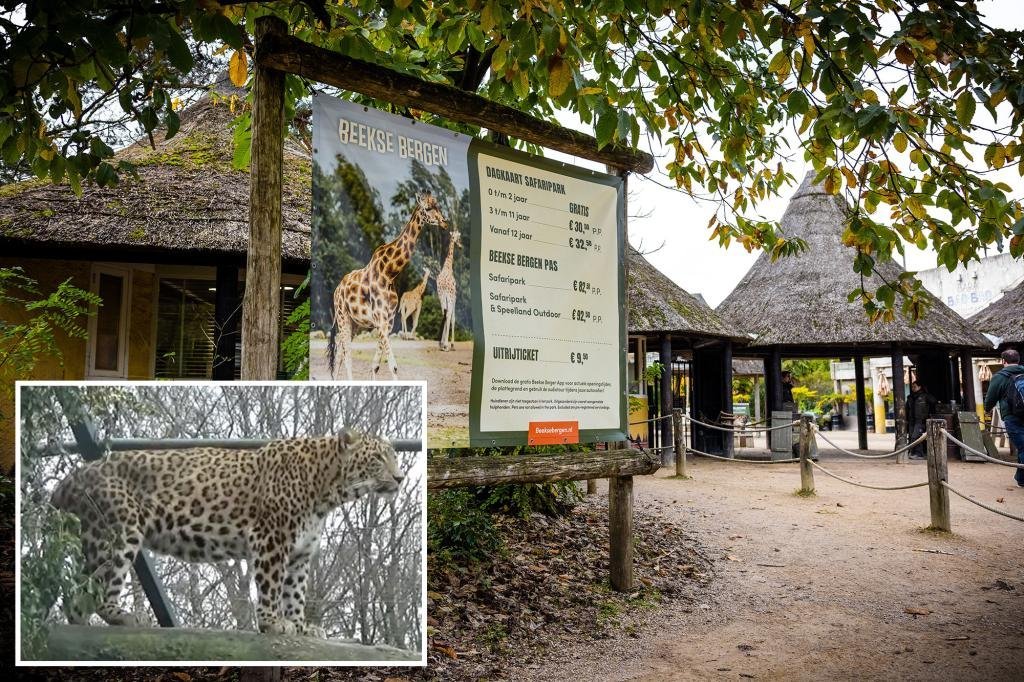
‘They Are and Remain Predators’: Veteran Zookeeper Who Devoted Her Life to Big Cats Dies After Horror Leopard Mauling as Storm Mix-Up, Missing CCTV and Broken Safety Rules Face Scrutiny
- A woman in her 50s who started working at a Dutch safari park at just 17 has died days after being savaged by at least one leopard inside the predators’ enclosure.
- Badly wounded to the head and neck, she managed to radio colleagues for help on her walkie-talkie before a medical helicopter was scrambled to the park.
- A storm had forced the leopards indoors that morning, and investigators are now asking whether she ever received the warning.
- The park has refused to put down any of the animals, while the tragedy raises pointed questions for Australian zoos that keep big cats in front of millions of visitors.
She spent more than three decades among some of the most dangerous animals on Earth. She knew their habits, their moods and their warning signs better than almost anyone.
In the end, that experience could not save her.
A veteran keeper at The Beekse Bergen Safari Park in the southern Netherlands has died from horrific injuries suffered when she was attacked by at least one leopard.
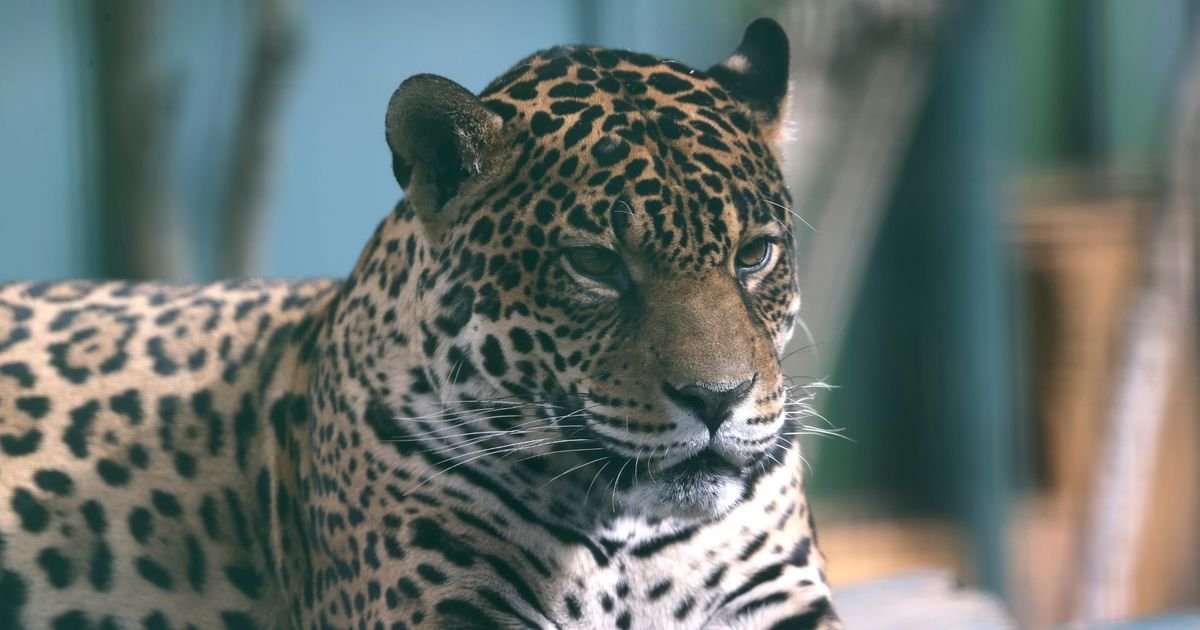
It is a death that has stunned the global zoo community and reignited a confronting debate about how far even the most rigorous safety systems can protect the people who care for wild predators.
The mauling happened at about 11am local time on Saturday, inside the enclosure housing the park’s leopards.
The woman, who was in her 50s, suffered devastating wounds to her head and neck. Despite the severity of the attack, she was able to use her walkie-talkie to call for help.
Colleagues raced to the enclosure. Emergency crews followed, including a medical helicopter dispatched to the park.
She was rushed to hospital in a life-threatening condition. By Sunday her condition had deteriorated, and on Wednesday she died.
Her connection to Beekse Bergen stretched back to her teenage years. She was first hired at 17 and worked at the park on and off for virtually her entire adult life.
For the past eight years, she had worked specifically with its leopards.
In a translated statement, the park said it was grieving an immense loss and that its thoughts were with her family, friends and loved ones. Management said its priority was supporting her relatives and the colleagues who rushed to her aid.
A space will be set aside in the park where people can leave condolences, and staff will be given the chance to say goodbye. An independent investigation has been launched.
Crucially, the park confirmed none of its leopards will be euthanised. A spokesperson told Dutch broadcaster Omroep Brabant: ‘They are and remain predators.’
The central question now is a deceptively simple one: why was an experienced keeper inside the same space as the cats at all?
Under the park’s normal rules, keepers are not permitted to share space with predatory animals. Staff working in predator enclosures must do so in pairs, and detailed protocols set out the safest way to enter.
Yet on Saturday, the routine had been disrupted. According to Omroep Brabant, a storm meant the leopards had been kept in their indoor enclosure rather than released outside.
That change was communicated to staff across the park. Whether the keeper herself knew remains unclear.
Investigators also face a major obstacle. The enclosure has no CCTV, meaning the precise sequence of events that led to the attack was never recorded.
The tragedy echoes a long and grim pattern worldwide, in which the most seasoned handlers are often the ones caught out.
Familiarity can breed a dangerous sense of comfort, and a single missed message or deviation from routine can prove catastrophic when dealing with animals capable of killing in seconds.
Analysis: What This Means for Australia
While the attack happened on the other side of the world, its lessons land squarely on Australian soil.
Australia is home to a significant network of zoos, wildlife parks and sanctuaries that keep big cats, including lions, tigers and leopards. These facilities draw huge crowds, underpin regional tourism economies and play a role in international conservation breeding programs.
But they also carry real risk, as Australians were reminded in November 2022 when five lions escaped their enclosure at Sydney’s Taronga Zoo, triggering a lockdown and a frightening few minutes for visitors.
The Dutch case highlights several weaknesses that apply anywhere: communication breakdowns during unexpected changes such as severe weather, the absence of surveillance in high-risk areas, and the temptation for experienced staff to bypass procedures that may feel like red tape.
For Australia, where wild storms and extreme heat regularly force animals indoors or alter daily routines, the storm detail is particularly sobering. A sudden change to where dangerous animals are housed is precisely the kind of moment when systems are most vulnerable.
Workplace safety regulators, including Safe Work Australia, place obligations on employers to manage hazards to the highest reasonably practicable level. Fatal incidents overseas often prompt facilities here to quietly review their own protocols, from radio confirmation systems to camera coverage.
There is also a community dimension.
Keepers are often local residents who have dedicated their careers to animal welfare, and a single death can devastate tight-knit regional towns that rely on wildlife tourism.
The broader conversation around workplace safety and animal welfare is likely to intensify.
Economically, a serious incident can shake visitor confidence and expose operators to legal and insurance consequences, making prevention far cheaper than the alternative.
Industry observers say the Beekse Bergen tragedy is likely to be studied closely by zoo operators across the region, including members of the Zoo and Aquarium Association Australasia.
Workplace safety specialists warn that the most dangerous moments in any high-risk industry are rarely during normal operations. They come when the routine is broken, and when information fails to reach the person who needs it most.
Security and risk analysts note that the lack of CCTV will make it far harder to establish accountability, and that camera coverage in predator areas is increasingly viewed as a basic safeguard, both for staff and for investigators after the fact.
Animal behaviour experts have long stressed that captivity does not tame a predator’s instincts.
The park’s own refusal to euthanise the leopards reflects a widely held view in the sector: the animals behaved exactly as wild cats do, and responsibility lies in the systems designed to keep humans out of harm’s way.
Insiders in the zoo industry warn that complacency is the quiet enemy.
The two-person rule, mandatory radio check-ins and strict entry procedures exist precisely because even the most experienced keeper can make a single fatal error.
For now, a family is grieving, colleagues are mourning, and investigators are left trying to piece together the final moments of a woman who gave her life to the animals she loved.