

‘Allegations of Allegations’: Greens Senator Jordon Steele-John Will Stay Away From Parliament as Leaked Letter Claiming Women Were Warned Not to Be Alone With Him Sparks Political Firestorm
- Seven current and former Greens staff and office bearers claim misconduct allegations against the WA senator stretch back almost a decade, which he strenuously denies
- The letter claims some women who joined or volunteered for the party were cautioned against being alone with him
- Senator Steele-John posted the explosive letter online himself, then deleted it and apologised for any extra distress caused
- He will miss Senate estimates next week, warning it sets a dangerous precedent that MPs can be sidelined before any finding is made
When the Senate returns next week, one red-leather seat will sit conspicuously empty.
Western Australian Greens senator Jordon Steele-John has confirmed he will not be in Canberra for the resumption of parliament.
He is under a cloud of misconduct allegations that he has repeatedly and emphatically rejected, and has found himself at the centre of one of the most bitter internal crises the minor party has faced in years.
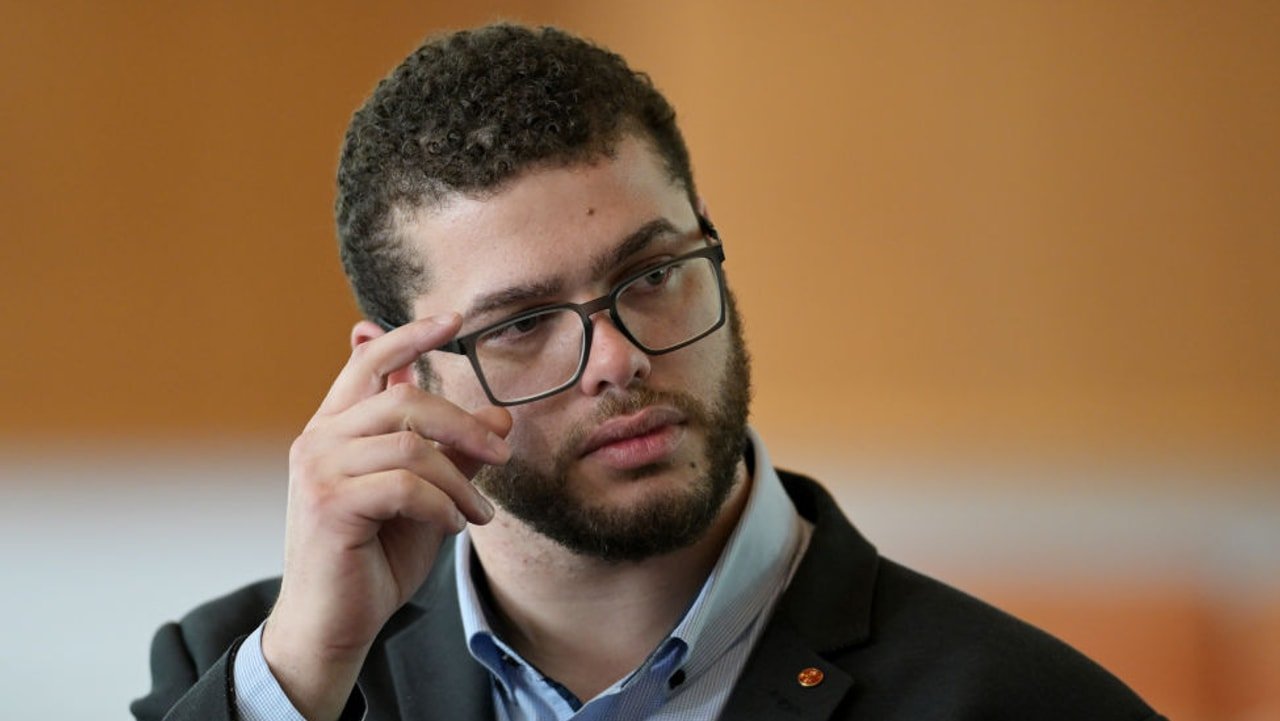
His absence comes at a pivotal moment in the parliamentary calendar. Senate estimates, the gruelling hearings where senators grill public servants and ministers, are scheduled for the same week.
The drama reached a new peak on Friday night, when the 32-year-old made the extraordinary decision to publish on his own social media accounts a letter outlining the claims against him.
Dated October 13 and addressed to federal Greens leader David Shoebridge, the letter bears the signatures of seven people. Its authors, whose identities have not been made public, are described as current or former Greens staff and party office bearers.
They state they have learnt of multiple allegations of serious misconduct, said to cover a period from 2017 to 2025. According to the letter, every allegation relates to how the senator behaved around women.
Most strikingly, the signatories claim that a number of women who took on roles or volunteered within the party were warned, because of these allegations, not to be left alone with him.
The letter says the accusations came from people both inside and outside the Greens. It calls on Senator Shoebridge to commission an independent investigation and to review and modernise the party’s gendered violence protocols.
None of the allegations has been tested, and Senator Steele-John has insisted he has been falsely accused.
By Saturday, the post had vanished.
The senator explained the letter had been passed to him by James Massola, chief political commentator for the Nine newspapers, who first reported the story on October 15.
He said he had released it because he did not want to appear to be hiding. He now doubted that judgement, he said, had removed it and apologised for any further distress it may have caused.
The WA branch of the Greens is expected to begin an independent investigation imminently.
The road to this point has been messy. In the days after the story broke, Senator Shoebridge said he understood his colleague would be taking leave from parliament.
Last Sunday, however, Senator Steele-John contradicted that account in a lengthy open letter of his own.
The leader then publicly urged him to step aside.
Speaking to ABC Radio National on Thursday, Senator Shoebridge said community expectations were that the senator would stand aside while the inquiry ran, and that he had told him as much.
On Saturday he restated that position, stressing it was not a prejudgement of the matters raised.
Senator Steele-John acknowledged what he called a growing chorus urging him to stay away. He said he had looked into participating digitally but had been told that, too, would be unacceptable.
Then he fired a parting shot: in his view, a precedent had now been set where any MP could be locked out of parliament by “allegations of allegations”.
For a senator whose political story has been defined by firsts, the fall from grace has been dizzying.
He entered the Senate in 2017 after Scott Ludlam resigned during the dual citizenship saga, becoming the youngest senator in the chamber at just 22 and a prominent voice for people with disability.
Analysis: What This Means for Australia
This is far bigger than one senator’s future.
It is a live stress test of how Australia’s parliament, and its political parties, handle complaints about conduct towards women after years of promising to do better.
The national reckoning triggered in 2021 led to the landmark Set the Standard review by former sex discrimination commissioner Kate Jenkins, overseen by the Australian Human Rights Commission.
Its findings exposed a culture in which harassment and misconduct had too often gone unchecked in the corridors of power, and spurred a new parliamentary workplace safety regime.
Yet the Steele-John affair exposes an awkward gap. Allegations raised through a party’s internal channels, involving volunteers and party officials, do not always fit neatly within the formal parliamentary system.
Parties are left to run their own processes, and critics argue those processes are only as robust as the people overseeing them.
There are also democratic stakes. Senators represent voters, and an absence during estimates means one less voice scrutinising government spending.
His warning about precedent will resonate with those concerned about due process, even as advocates insist that complainants must be able to come forward without fear.
For the Greens, a party that campaigns loudly on gendered violence and workplace safety, the reputational risk is acute. How they handle this will be judged against the very standards they demand of others.
Political observers say the episode highlights a fundamental tension that every party now faces.
Workplace culture experts note that standing someone aside while an inquiry runs is common practice in many organisations, yet parliamentarians occupy a unique role that cannot simply be paused without consequences for voters.
Governance insiders warn that the decision to publish the letter, even briefly, may have complicated matters.
People familiar with investigative processes say confidentiality protects everyone involved, including the accused, and that public airing of unproven claims can harden positions on all sides.
Others believe the party’s mixed messaging over whether the senator was taking leave has done lasting damage. Analysts say clarity and consistency are essential if complainants are to trust that a process is fair and independent.
What happens next rests with the WA Greens investigation. Until it reports, the allegations remain untested, the denials stand, and the questions hanging over parliament’s commitment to change grow louder by the day.