
Young Woman Dies After Fall Outside Adelaide’s Rosemont Hotel as Police Issue Plea: ‘Do Not Share the Footage’
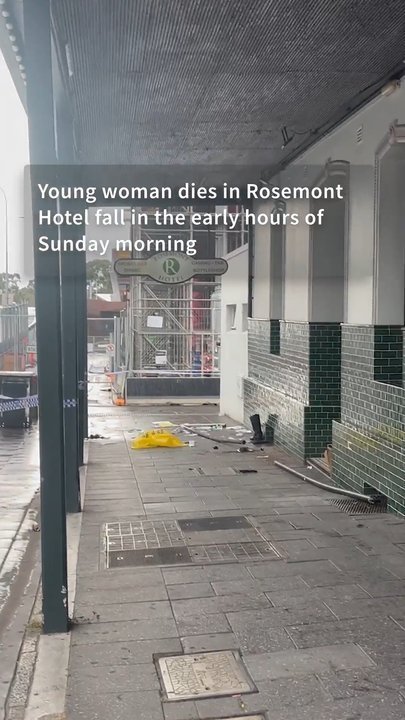
- A woman in her 20s has died after falling to the pavement outside the Rosemont Hotel at the corner of Hindley and Morphett streets in Adelaide’s CBD in the early hours of Sunday.
- Witnesses say she was climbing a pipe on the building’s exterior in an attempt to reach a balcony when she lost her grip.
- Paramedics could not save her. Police have ruled the death non-suspicious, and a report is being prepared for the coroner.
- SA Police have asked anyone holding footage of her final moments not to post it online, but to hand it to investigators.
It was a few minutes past four on Sunday morning. The night was ending on one of Adelaide’s busiest nightlife strips.
Within moments, a young woman’s life was over.
Her death on the pavement outside the Rosemont Hotel has shaken a city that knows Hindley Street as a place of late nights and loud crowds, not sudden tragedy.
Now police are making an urgent plea to anyone who filmed what happened: keep it off social media.
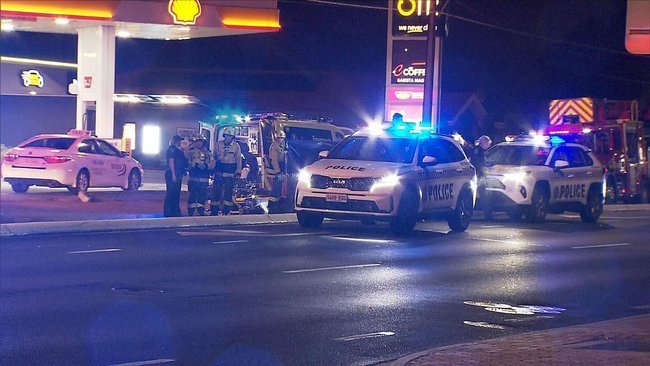
Emergency services were called to the corner of Hindley Street and Morphett Street, on the western edge of the Adelaide CBD, at about 4.10am. A woman believed to be in her 20s had fallen from height and was lying on the footpath.
Paramedics worked to revive her but could not save her. She died at the scene.
SA Police have described the fall as non-suspicious. Officers will prepare a report for the coroner, which is standard practice when a person dies suddenly or unexpectedly in South Australia.
Police said the woman fell from a balcony. People who were in the area that morning have given a fuller account.
Witnesses told 7NEWS she had been climbing a pipe on the outside of the hotel, apparently trying to get up to a balcony, when she lost her footing and fell.
Police have not publicly confirmed why she was trying to climb the building, and her name has not been released.
Investigators believe several members of the public may have recorded the incident on their phones.
Police have asked those people not to share the vision on social media or anywhere else, out of respect for the woman and her family. Anyone with relevant footage has been asked to contact police directly.
It is a blunt request, and a telling one. In the smartphone era, a private tragedy can reach thousands of strangers before a family has even been told.
Hindley Street has long been the heart of Adelaide’s after-dark economy. The strip and its surrounding blocks are packed with bars, clubs, hotels and late-night eateries, drawing large crowds of young people every weekend.
The precinct has a mixed reputation. For many it is the place to celebrate birthdays, graduations and the end of the working week.
It has also been the focus of repeated debate about public safety, policing, lockout policies and anti-social behaviour, with authorities stepping up patrols and lighting in recent years.
Sunday’s death does not appear to involve any of those concerns. Police have been clear that no one else is suspected of wrongdoing.
But it has again focused attention on how quickly a night in the city can turn into a tragedy in the hours before dawn.
Falls from balconies and building exteriors are a recurring cause of preventable death and serious injury in Australia. Coroners around the country have examined such cases over the years, often pointing to a combination of height, poor footing and split-second decisions.
Analysis: What This Means for Australia
This was a single, deeply personal tragedy, and it should first be understood that way. A family is grieving.
Friends are struggling to come to terms with a loss that came without warning.
But the circumstances raise questions that reach well beyond one Adelaide street corner.
The first is about the safety of urban buildings in entertainment precincts. Pipes, ledges and external fittings may look climbable to someone standing on the footpath.
They are not built to take a person’s weight. Building owners, councils and safety regulators will be aware of how often these risks come up in coronial findings.
The second, and perhaps the most pressing, is the role of the camera phone. The police appeal reflects a growing problem for law enforcement across the country.
Footage of accidents, crashes and deaths is increasingly filmed by bystanders and spread online within minutes, sometimes before police have reached next of kin.
For families, the result can be devastating. Relatives have learned of a loved one’s death by stumbling across a video on their feed.
Others have had to live with graphic images circulating long after a funeral.
Australia has moved to tighten online safety rules in recent years, and the eSafety Commissioner has powers to deal with seriously harmful material. But regulators and platforms struggle to match the speed of a share button.
Police appeals like this one rely on the public choosing restraint.
There is also a law enforcement benefit in getting footage into the right hands. Video can help investigators establish exactly what happened, information that will be central to the coroner’s report and to any recommendations that follow.
For Adelaide’s nightlife economy, which supports thousands of jobs in hospitality and tourism, events like this inevitably revive questions about how safe the city’s late-night districts are after the crowds thin out.
Law enforcement insiders say appeals of this kind are becoming routine. They warn that every reshare of distressing vision multiplies the harm to a family that has already lost everything.
Online safety advocates believe many people film emergencies on impulse, without thinking about the human being at the centre of the footage. They argue the decent response is simple: if you have it, give it to police, then delete it.
Public health observers note that coronial reports into falls often lead to practical recommendations, from changes to building design and venue management to better public awareness.
They say the coroner’s findings in this case could add to that body of evidence.
Workers in the hospitality industry say staff in late-night venues are often the first to notice when a patron is at risk. They suggest closer cooperation between venues, security and police can help.
For now, the investigation continues quietly. The woman’s identity has not been made public.
Police have not suggested anyone else was involved.
The message from SA Police is clear. Anyone with footage of the incident should contact officers, not post it online.
Those with information can contact Crime Stoppers on 1800 333 000. Anyone affected by this news can seek support from Lifeline on 13 11 14.