

Desperate Race Against Time as Teen Camper Wearing Only Shorts and Workboots Vanishes Into Rugged Gippsland Bushland After Short Walk From Campsite
- William, 17, walked a short distance to another part of his campsite in Walhalla East on Friday afternoon and has not been seen since.
- The Latrobe Valley teenager was wearing only shorts and workboots, leaving him badly exposed in some of Victoria’s most unforgiving terrain.
- His fellow camper searched frantically but found no trace, and police believe Will may have become disorientated and lost.
- Dog Squad, mounted police, Search and Rescue and the Public Order Response Team are now scouring the bush from a command post in nearby Cowwarr.
It was meant to be a few minutes. A short stroll across a bush campsite, the kind of walk a teenager takes without a second thought.
Instead, a 17-year-old boy named William has vanished into the dense, steep forests of Victoria’s east, and a family is now enduring the agony of waiting for news.
Every hour that passes deepens the fear. Will was not dressed for a night in the bush, let alone several.
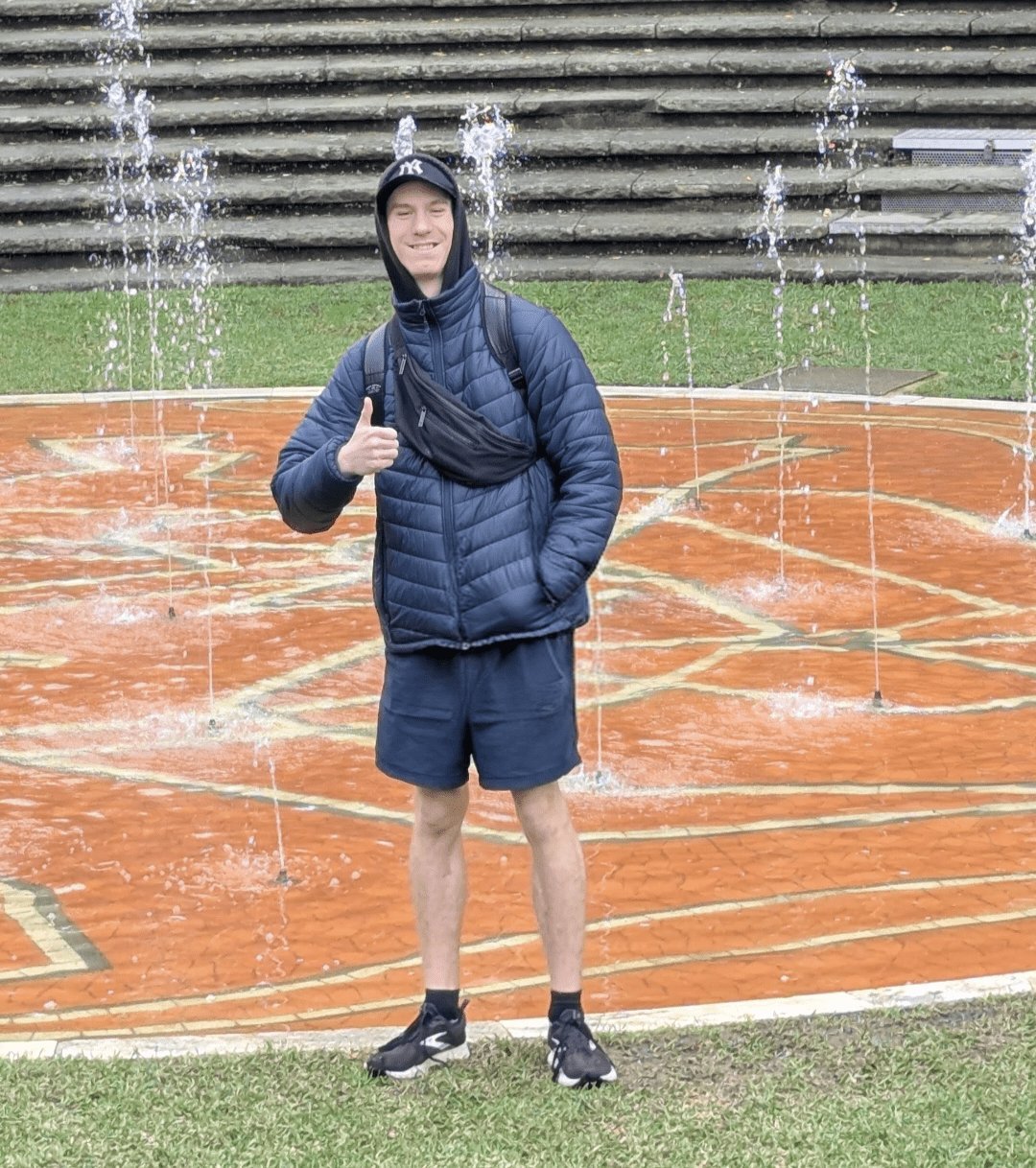
He was wearing a pair of shorts and workboots, and little else.
Police have launched a major search operation across rugged country around Walhalla East, deploying specialist units in a coordinated bid to find the teenager before exposure, exhaustion or the terrain itself takes its toll.
The Latrobe Valley teen had been camping with another teenager when, at about 4pm on Friday, he set off towards a different section of their campsite near the junction of Stoney Creek Road and the T2 Track.
He never came back.
When Will failed to reappear soon afterwards, his companion went looking for him. A police spokesperson said the boy searched the surrounding area but could find no sign of his friend.
Investigators believe Will may have become disorientated and lost his bearings in the unfamiliar landscape, a scenario that experienced bushwalkers know can unfold with frightening speed.
Both his family and police have expressed mounting concern for his welfare, citing the minimal clothing he had on when he disappeared.
Victoria Police has thrown significant resources at the search.
Officers from the Public Order Response Team, the Dog Squad, the Mounted Branch and the Search and Rescue squad have all been involved, working out of a command post established in the small town of Cowwarr.
Anyone who sees Will is urged to call Triple Zero immediately. Anyone with information about where he might be is asked to contact Crime Stoppers Victoria.
To understand why authorities are treating this disappearance with such urgency, you need to understand the country Will is lost in.
Walhalla and its surrounds sit in the foothills of the Victorian high country, a region defined by steep ridgelines, plunging gullies and thick forest. The area is famous as a historic gold rush settlement, but its natural landscape is as treacherous as it is beautiful.
Bush tracks in this part of Gippsland can look remarkably alike. Vegetation closes in quickly.
A walker who strays only a short distance from a familiar path can lose sight of landmarks within moments, and a wrong turn in fading afternoon light can send someone deeper into the bush rather than back to safety.
Mobile phone coverage across much of the region is patchy at best, making it far harder for anyone who becomes lost to call for help or be located electronically.
And conditions in elevated, forested country can change sharply once the sun goes down. For someone in shorts with no jacket or shelter, a cold night outdoors presents a genuine and serious risk.
Analysis: What This Means for Australia
Will’s disappearance is first and foremost a personal crisis for a family and a close-knit regional community. But it also shines a harsh light on a public safety issue that touches thousands of Australians every year.
Camping and bushwalking are woven into the national identity.
Regional Victoria in particular draws locals and visitors alike to its forests, rivers and tracks, often with young people heading out on their own for the first time.
Yet the gap between a relaxed weekend away and a life-threatening emergency can be terrifyingly narrow. A brief walk, without a phone, a torch or warm clothing, can become a full-scale police operation within hours.
For law enforcement, searches like this one place enormous demands on specialist resources.
Mobilising dog handlers, mounted officers, search and rescue experts and tactical response teams across remote terrain is complex, labour-intensive and costly, and every hour in the field matters.
For regional communities, the impact is deeply felt.
Towns such as Cowwarr become the nerve centre of an anxious vigil, with locals watching police vehicles roll in and wondering whether a neighbour’s child will be found.
There is also a broader social message.
Safety advocates have long pushed for greater awareness around bushwalking safety, including telling others your plans, carrying a charged phone or personal locator beacon, and dressing for the worst conditions rather than the best.
Cases like Will’s are a stark reminder that these precautions are not just for multi-day treks in the wilderness. They matter even on short walks around a campsite.
Search and rescue specialists say the critical window in any missing person case in bushland is the first few days, when a lost person is most likely to be found alive and still moving.
That is why authorities move so quickly to flood an area with trained personnel.
Law enforcement insiders note that the use of the Dog Squad can be crucial in tracking a scent from a last known location, while mounted officers are able to cover rough ground that vehicles cannot reach.
Bushcraft experts commonly advise that anyone who realises they are lost should stop, stay where they are if possible, and try to make themselves visible and audible to searchers, rather than continuing to walk and potentially moving further from help.
Emergency management observers believe the presence of a command post close to the search zone signals a sustained and serious operation, allowing teams to rotate, regroup and refine search areas as fresh information comes in.
Community safety advocates also stress that public tip-offs can play a vital role. Residents, landholders and visitors in the Walhalla, Cowwarr and wider Gippsland area are being encouraged to check properties, sheds and tracks and report anything unusual.
For now, the bush around Walhalla East holds its secret, and a family waits for the one phone call that matters.
Anyone who sees William should call Triple Zero (000) immediately. Anyone with information on his whereabouts is urged to contact Crime Stoppers Victoria on 1800 333 000.