
‘There’s No Undo Button’: Albanese Caves on Sale of Historic Victoria Barracks After Howard-Led Revolt, but 60-Plus Military Sites Remain on the Chopping Block
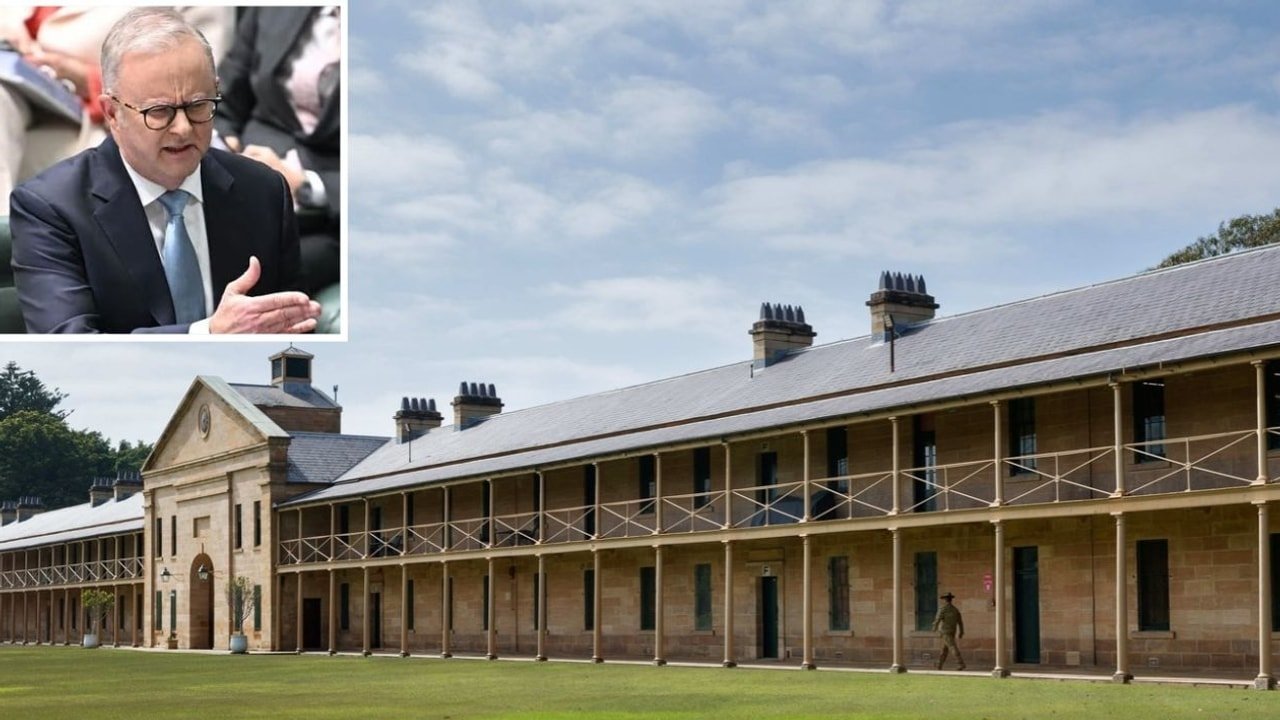
- Sydney’s 166-year-old Victoria Barracks has been pulled from sale after fury from every corner of federal politics, including former prime minister John Howard.
- Three other prized sites, including Melbourne’s Victoria Barracks and Fort Queenscliff, are also spared, but they are being stripped from Defence and handed to the Finance department.
- Veterans warn the reprieve saves the bricks and mortar but not the military capability, with more than 60 other sites still listed for disposal.
- The Coalition says Defence Minister Richard Marles was “overruled” by his own leader and is vowing to fight every remaining sale.
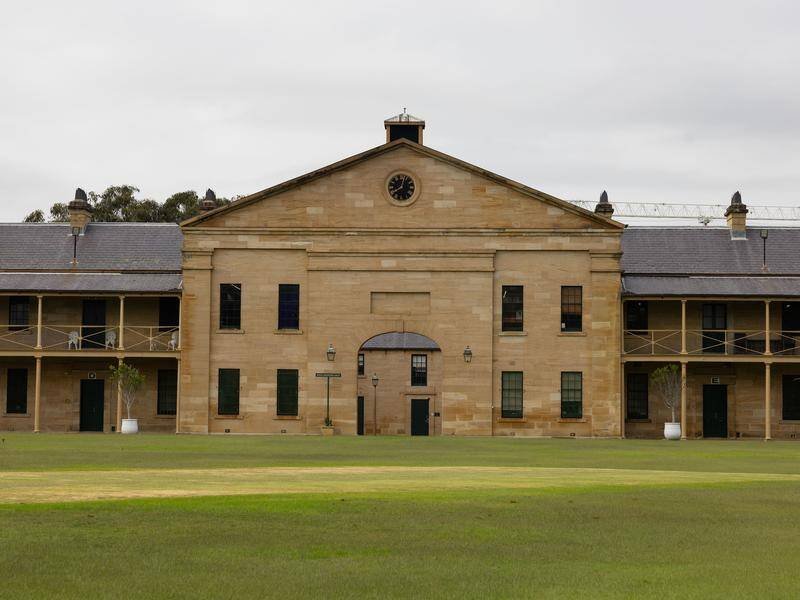
For more than a century and a half, the sandstone walls of Victoria Barracks have stood guard over Paddington. Soldiers have marched out of its gates to wars that shaped the nation.
This year, it came perilously close to being sold.
Now, after a ferocious public campaign that united political enemies, veterans and local residents, Prime Minister Anthony Albanese has blinked. The heritage-listed Sydney landmark will stay in public hands.
But the victory comes with a sting in the tail. The troops are still leaving, and dozens of other military properties across the country remain up for grabs.
Under the revised plan, four sites will be moved out of the Defence portfolio and placed under the control of the Department of Finance.
They are Victoria Barracks in Sydney, its namesake in Melbourne, the coastal stronghold of Fort Queenscliff in Victoria, and RAAF Williams at Point Cook, the birthplace of Australian military aviation.
Mr Albanese confirmed the Sydney barracks would not be sold.
He framed the change as a chance to throw open Defence’s historic buildings to ordinary Australians and to honour the country’s past, rather than as a retreat.
Defence Minister Richard Marles said personnel would still be relocated from the properties, which would then become accessible to the public.
He insisted the military’s estate had to be fit for purpose, arguing that in today’s strategic climate the nation could not afford to squander money on ageing real estate when funds were needed for genuine capability.
Education Minister Jason Clare, appearing on News24, pushed back against suggestions the government had executed a backdown.
The opposition was having none of it.
The firestorm traces back to February, when an independent audit of the Defence estate recommended offloading 67 properties nationwide. The aim was to raise about $1.8 billion for the Commonwealth.
Victoria Barracks in Sydney quickly became the emotional centrepiece of the backlash. Its 166-year history, and its place in the city’s identity, made it a symbol far bigger than its land value.
Opposition came from an extraordinary spread of voices. The Coalition, the Greens, the teal independents and One Nation all condemned the sale, a rare alignment in a fractured Parliament.
The protest movement gained serious weight when John Howard joined demonstrators outside the gates. The former Liberal prime minister accused the Albanese government of showing indifference towards Australia’s proud national and military heritage.
The scale of what is at stake is enormous. The Department of Defence is the nation’s largest landholder, controlling some 70 major bases and around 3.8 million hectares of land.
Analysis: What This Means for Australia
At the heart of this row lies a question that goes well beyond heritage: what happens to Australia’s military footprint when the bean counters take charge?
By shifting four sites to Finance, the government has preserved their public ownership but effectively severed their link to defence operations.
Critics argue that, in an era of rising regional tension and talk of national security threats in the Indo-Pacific, giving up strategically located land in major cities is a gamble that may never be reversible.
The law enforcement and emergency dimension matters too. Urban bases offer staging grounds, training space and logistics hubs that can be vital during disasters or crises.
Once sold to developers, that flexibility vanishes.
For communities, the stakes are deeply personal.
Shadow Defence Minister James Paterson pointed to Lancer Barracks in Parramatta, where the ashes of soldiers have been scattered, and Irwin Barracks in Western Australia, where more than 1,000 reservists currently train.
HMAS Penguin on Sydney Harbour is also on his list of sites worth saving.
Economically, the government still wants its windfall. With the federal budget under pressure, the remaining sales remain a tempting revenue source, and a political lightning rod.
Veterans’ body RSL Australia described the announcement as only a partial victory. It said keeping the four sites in public hands safeguarded military heritage, but did nothing to protect Defence capability.
The organisation warned the job was only half done, noting personnel were still being moved out and more than 60 other properties remained earmarked for sale.
It urged the government to freeze all remaining disposals until the Senate inquiry into the Management of Defence Estate Assets had completed its consultation and reported.
Its warning was blunt: once a site is sold, it is lost forever, and there is no way to reverse the decision.
Senator Paterson branded the episode a humiliation for Mr Marles, claiming the Defence Minister had been overruled by the Prime Minister. He hailed the outcome as a major win for a community that had made its opposition unmistakably clear.
He said the Coalition would keep fighting every step of the way, wanted all four properties returned to Defence, and hoped a future government would reverse the transfer to Finance.
He is also pressing ahead with legislation that would force any government to seek Parliament’s approval before selling Defence assets.
Security analysts say the episode exposes a growing tension between Canberra’s desire to modernise the military estate and the public’s attachment to its history. Many believe the Defence spending debate will intensify as the remaining sales are scrutinised.
Law enforcement insiders warn that strategic land in capital cities is almost impossible to reacquire once developers move in, particularly given soaring property values linked to the housing crisis.
Political observers believe the government has bought itself breathing space, but not peace. With a Senate inquiry under way and a cross-party coalition of critics energised, the battle over Australia’s military land is far from over.
For now, the gates of Victoria Barracks remain in public hands. Whether the soldiers ever return is another matter entirely.