
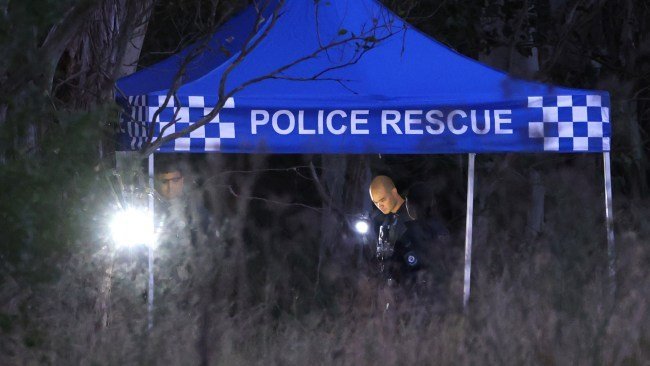
Homicide Squad Detectives Called In After Body Discovered in Remote Bushland on Rugged Newnes Plateau North of Lithgow, as Grim Find Rocks Blue Mountains Adventure Hotspot
- Police searching dense bushland as part of an ongoing investigation uncovered a body late on Saturday in one of New South Wales’ most isolated landscapes.
- Elite detectives from the State Crime Command’s Homicide Squad have been brought in, and a crime scene has been sealed off.
- The person’s identity remains unknown to the public while officers work to notify their family.
- The discovery has rattled outdoor enthusiasts who use the Newnes Plateau’s canyons, cliffs and trails.
Somewhere in the vast, silent bushland north of Lithgow, a family is waiting for news no one wants to hear.
Late on Saturday, police officers moving through the rugged terrain of the Newnes Plateau made a grim discovery. They found a body.
Within hours, the case had escalated. Detectives from the State Crime Command’s Homicide Squad, the unit called in when authorities believe a death may need specialist investigation, had joined the inquiry.
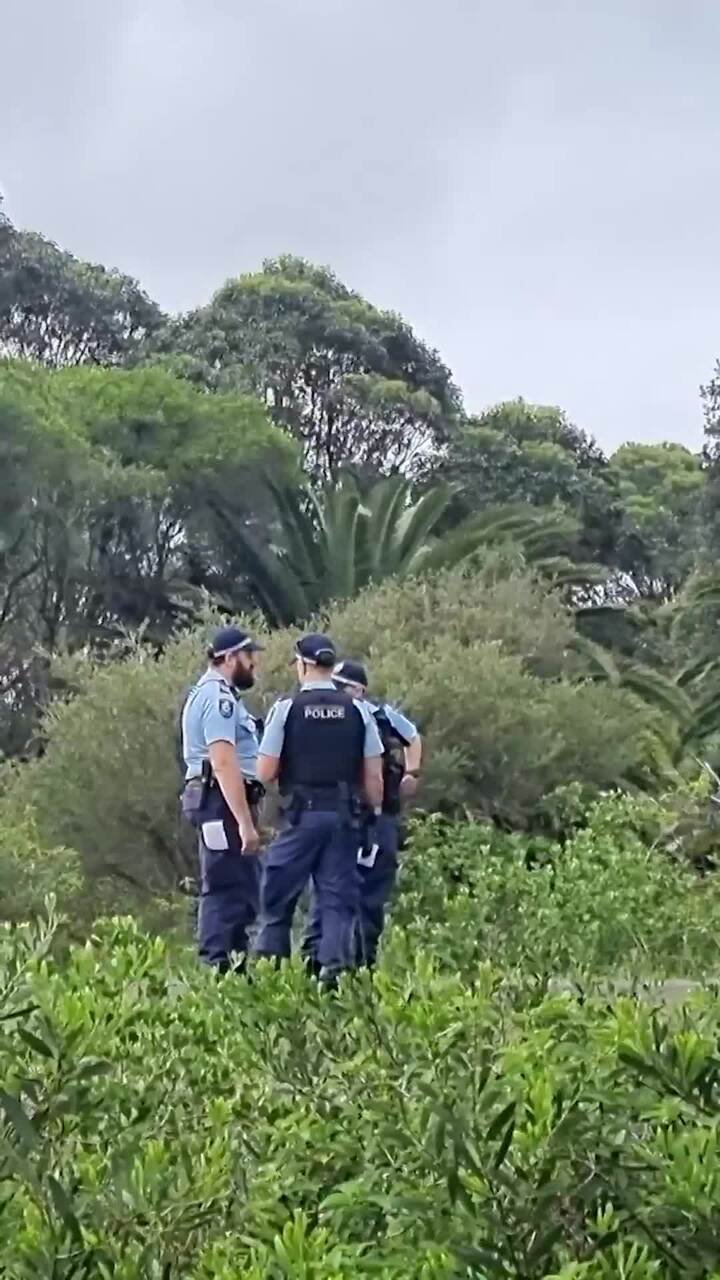
The discovery was not made by chance. Officers from the NSW Police Force had been combing the area as part of an investigation that was already underway.
Police have not said what that investigation involves, or what led searchers to this patch of remote country.
A crime scene was quickly set up, and investigators have remained tight-lipped about any further details.
What happens next will rest heavily on forensic science. A post-mortem examination is expected in the coming days, and police say it will be used to establish how the person died.
The identity of the deceased will not be released until officers have spoken with the family. It is a painful but necessary step, and it means that for now the person found in the bush has no public name.
Police have not confirmed the person’s age or gender, how long the body may have been there, or whether the death is being treated as suspicious.
The involvement of the Homicide Squad, however, shows how seriously the matter is being taken.
To understand why this discovery carries such weight, you have to understand the landscape where it happened.
The Newnes Plateau lies roughly two hours’ drive west of Sydney.
It is a sprawling stretch of sandstone country, pine plantation and native forest on the edge of the Wollemi National Park, one of the largest wilderness areas in the state.
It is breathtaking and unforgiving in equal measure. Deep slot canyons cut through the rock.
Sheer cliffs drop away without warning. Mobile reception is patchy at best, and many tracks are only reachable by four-wheel drive or on foot.
For experienced canyoners, rock climbers and bushwalkers, that isolation is the attraction. The plateau has become a favourite destination for adventurers willing to rope down narrow gorges and hike for hours without seeing another person.
But the same remoteness that draws thrill-seekers also makes the region extremely hard to search. Thick vegetation, steep ground and limited access can turn even a well-resourced police operation into a slow and gruelling task.
Across Australia, the scale of the bush has long challenged investigators.
Large wilderness areas can hide evidence, delay discoveries and complicate the forensic work that follows, which is why searches in places like the Newnes Plateau often take days or even weeks.
Analysis: What This Means for Australia
Beyond the immediate tragedy, this discovery raises uncomfortable questions about how authorities police the vast, lightly monitored wilderness on the doorstep of the nation’s largest city.
From a law enforcement perspective, remote bushland is one of the hardest environments to investigate. There is no CCTV, few witnesses and little phone coverage.
Weather, wildlife and time can all degrade evidence.
When police are drawn into areas like the Newnes Plateau, they often depend on specialist search teams, aerial support and forensic experts, which places significant strain on resources.
The case also highlights how stretched regional policing can become when a major investigation lands in a sparsely populated district. Communities around Lithgow rely on a relatively small local police presence, and serious inquiries frequently need backup from Sydney-based squads.
For the wider community, the effect is more personal. The Blue Mountains and surrounding wilderness draw large numbers of visitors and are a valued part of the region’s identity and tourism economy.
Any suggestion of violent crime in these spaces can shake public confidence, particularly among those who head into the bush alone or in small groups.
There is a broader social dimension too. Every year, families across the country face the anguish of missing persons cases, and remote bushland often sits at the centre of those searches.
Each discovery like this one reopens painful questions for many people still waiting for answers about their own loved ones.
Public safety in national parks and state forests is also likely to come back into focus.
Agencies such as the NSW National Parks and Wildlife Service routinely urge visitors to plan carefully, carry emergency beacons and tell others where they are going.
Those warnings may now take on a sharper edge.
Law enforcement insiders warn against jumping to conclusions before the post-mortem results are known.
They say that while the Homicide Squad’s involvement signals that police want every possibility thoroughly examined, it does not on its own confirm that a crime has been committed.
Security analysts say remote wilderness investigations tend to hinge on painstaking forensic work. Without the digital trails available in cities, detectives often rely heavily on physical evidence recovered at the scene and on information from the public.
Outdoor industry observers believe the discovery will unsettle the close-knit canyoning and climbing community that treats the plateau as a second home. Many regular visitors know its tracks intimately, and some may be able to help police by recalling unusual activity or vehicles in the area.
Search and rescue experts note that terrain like the Newnes Plateau can make it difficult to determine when a person entered the bush and what happened afterwards, which often extends the time needed to piece together a timeline.
For now, the crime scene remains in place and the investigation continues. Detectives are expected to keep working through the rugged country in the days ahead as they wait for the post-mortem findings.
Somewhere, a family will soon be told the news. And the rest of the community will be left waiting to learn who was found in the bush, and how they came to be there.
Anyone with information is urged to contact Crime Stoppers on 1800 333 000. Information is treated in the strictest confidence, and stay across the latest crime news as this story develops.