
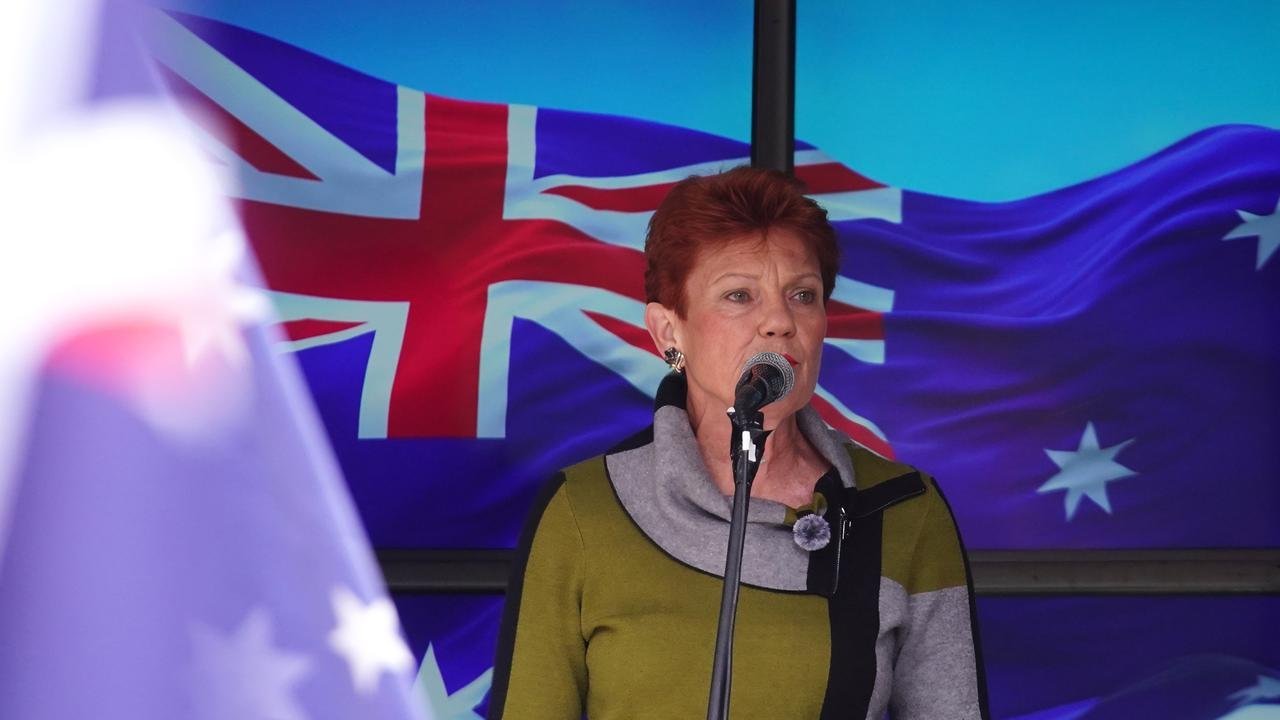
‘Disgraceful’: Fury Erupts as Students Plan Nationwide Anti-Capitalist Walkout Targeting One Nation on Remembrance Day, the Nation’s Most Sacred Day of Silence
- High school students across Australia are being urged to abandon classrooms on November 11 for “No to Hanson” rallies against One Nation, capitalism and the far right.
- One Nation MP Barnaby Joyce has labelled the timing “an absolute outrage” and says the walkouts should not be allowed to proceed.
- Labor minister Tanya Plibersek has joined the backlash, suggesting the young activists hold their protest on a Saturday instead.
- Veterans warn the rallies risk overshadowing the 11am minute’s silence honouring Australians who died in war.
At 11am every November 11, Australia goes quiet.
Traffic slows, offices fall silent, and in schoolyards from Perth to Parramatta, children bow their heads for sixty seconds in memory of strangers who never came home.
This year, that silence may be broken by chanting.
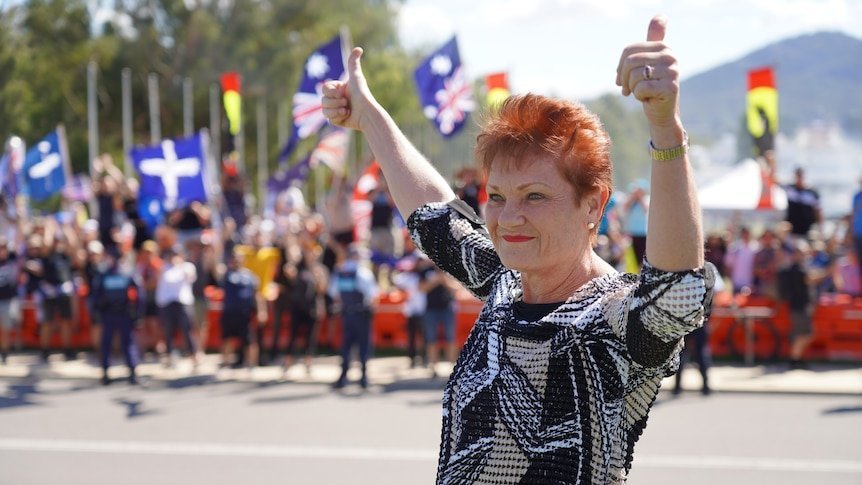
A group calling itself the High School Anti-Capitalists is rallying teenagers to walk out of class on Remembrance Day and march through cities nationwide. Their target is Pauline Hanson’s One Nation and what they describe as the rise of the far right.
The backlash has been swift, bipartisan and ferocious.
Barnaby Joyce, the former Nationals leader now sitting as a One Nation MP, led the charge on Sunrise, calling the plan “disgraceful”.
Organisers insist the clash of dates is pure coincidence and promise the rallies will be peaceful. Joyce is not buying it.
He argued that anyone choosing November 11 must understand the reaction it will provoke, warning that many Australians will respond with disdain, anger and, in some cases, outright fury.
He pointed to the more than 60,000 Australians killed in the First World War alone, saying the day belongs to those who served in uniform.
Organisers could easily pick another date, he said, and their refusal to do so raised questions about what response they were actually seeking.
Joyce went further, declaring the demonstrations should not go ahead on Remembrance Day at all.
In a rare moment of agreement across the political divide, Social Services Minister Tanya Plibersek also called for the protests to be shifted.
She said she supported the right to protest, but took a pointed swipe at the organisers, suggesting turnout might look very different if students had to give up a Saturday rather than skip a day of school.
Plibersek placed Remembrance Day alongside Anzac Day as one of the nation’s most solemn occasions. Her verdict was blunt: “It’s not a day for protest.”
The Australian walkouts are modelled on student unrest in France, where demonstrations that started over school conditions snowballed into broader anti-government protests. The local version, branded “No to Hanson”, has been recast with a distinctly Australian target.
That transplant has drawn its own criticism.
Earlier this month, Special Forces veteran Heston Russell told Sunrise it was a sad state of affairs that students would choose to walk out on a day that unites the country.
He questioned why young Australians would protest a domestic political issue with no real connection to events in France, and urged them to show “maturity” and respect.
Russell warned the rallies threaten to pull focus from the true meaning of the day. Veterans’ organisations have echoed his call, pleading with students to choose a different date.
The significance of November 11 is rooted in 1918, when the Armistice brought the guns of the Western Front to a halt.
Over a century on, the minute’s silence at 11am honours all who died or suffered in wars, conflicts and peacekeeping operations, a tradition woven into Anzac legacy and observed by Australian War Memorial and RSL sub-branches nationwide.
The row also lands amid mounting unease about the temperature of national debate.
Politicians have recently clashed over heated rhetoric following a warning about political violence from the Australian Federal Police, making any mass gathering with an explicitly partisan target a sensitive prospect.
Analysis: What This Means for Australia
This is far more than a scheduling squabble.
It cuts to the heart of a growing fault line in Australian social cohesion, one that pits a politically awakened generation against institutions and traditions many older Australians regard as untouchable.
For communities, the risk is obvious. Commemorative services and street marches could unfold within blocks of each other.
Veterans, grieving families and elderly attendees may find their moment of reflection shared with megaphones and placards. That collision has the potential to inflame tensions rather than ease them.
For police, it creates a delicate balancing act.
Authorities must protect the right to lawful protest while safeguarding solemn ceremonies, and with emotions already running high, the possibility of counter-protesters or confrontations cannot be dismissed.
State forces will be weighing resources carefully.
For schools, the dilemma is acute. Principals face pressure to manage absences, enforce attendance obligations and protect student welfare, while avoiding the appearance of political censorship.
Parents, too, are being forced to choose sides.
Politically, the episode underlines the rise of One Nation as a lightning rod.
The party’s growing profile has energised supporters and opponents alike, and young Australians increasingly see it as a focal point for activism on issues from cost of living to immigration.
Security analysts say the convergence of a partisan protest with a national day of mourning is precisely the kind of flashpoint that can escalate unexpectedly, even when organisers intend calm.
A peaceful rally, they note, cannot control who else turns up.
Law enforcement insiders warn that public order planning for November 11 is likely to be more complex than in any recent year, with police needing to keep commemorations and demonstrations physically separate in major CBDs.
Political observers believe the bipartisan condemnation from figures as different as Joyce and Plibersek reveals how deeply Remembrance Day resonates across the electorate. Few issues unite One Nation and Labor; reverence for the war dead appears to be one of them.
Youth engagement researchers, meanwhile, caution that dismissing students outright may deepen their alienation. Many young Australians feel shut out of mainstream politics, and how adults respond to this controversy may shape whether that frustration turns constructive or bitter.
Whether the organisers relent remains unclear.
What is certain is that this year’s minute of silence will be watched more closely than ever, and Australia will learn just how much that quiet still means.