
One Nation Melbourne Candidate Matthew Collins Quits in Disgrace Over ‘Vulgar’ Sexualised and Anti-Muslim Posts as Pro-Party Country Pub Is Vandalised in Overnight Attack Weeks Before Victorian Election
- Matthew Collins resigned as One Nation’s candidate for the inner-city seat of Melbourne after a trail of highly sexualised and anti-Muslim social media posts was exposed.
- Victorian leader Warren Pickering branded the posts ‘vulgar’ and admitted the party lacks the resources to fully vet its 120 candidates.
- In western Victoria, Meaghers Hotel was spray-painted with anti-One Nation graffiti, apparently because its publican had displayed the party’s election posters.
- Two cars belonging to ordinary patrons were also vandalised, and police are now investigating as tensions escalate ahead of the November 28 poll.
With fewer than four weeks until Victorians vote, Pauline Hanson’s party is being squeezed from two directions at once.
One of its own candidates has been forced out over a backlog of offensive online remarks. At the same time, its supporters say they are now being targeted under cover of darkness.
Taken together, the two episodes show how raw and divided the contest for Spring Street has become, and how quickly that hostility is spilling out of social media feeds and onto suburban streets and country pub doors.

The man at the centre of the first controversy is Matthew Collins, who had been endorsed to run in the seat of Melbourne.
His candidacy ended abruptly when posts on his social media accounts came to light. According to reports, they ranged from crude, highly sexualised commentary to rhetoric hostile to Muslims.
The party confirmed it had accepted his resignation. A spokesperson said One Nation Victoria had been alerted to ‘a number of offensive comments’ and stressed that the party did not condone them.
The spokesperson added that Mr Collins had acknowledged the material was offensive and unacceptable.
In a statement issued through the party, Mr Collins said he was sorry for what he had written. He insisted the posts did not reflect the person he is today and said he deeply regretted ever making them.
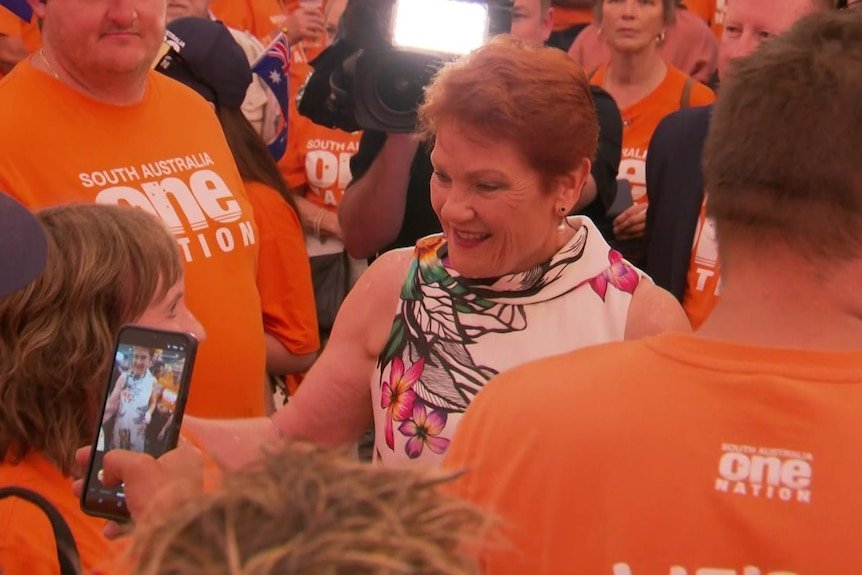
The fallout landed on the same day Victorian leader Warren Pickering spoke at an anti-immigration rally in Melbourne.
Speaking to reporters afterwards, Mr Pickering confirmed he had been briefed on the posts. He called them ‘obviously vulgar’ and said he appreciated that Mr Collins had chosen to step aside of his own accord.
Then came a striking admission. Mr Pickering argued that opponents willing to spend ‘weeks and weeks’ digging through a candidate’s past held an unfair advantage.
A minor party, he said, had no realistic way of spending six months vetting 120 candidates. In his words, ‘we just don’t have the resources yet.’
He said a replacement was being endorsed. He also insisted the party’s hopes in Melbourne were far from dead, though no successor has yet been named.
The party has some breathing room. Under Victorian Electoral Commission rules, nominations stay open until midday on Monday, November 9, which is 19 days before polling day.
Roughly 120 kilometres away, a very different scene was unfolding in western Victoria.
In the early hours of the morning, vandals spray-painted anti-One Nation slogans across the door of Meaghers Hotel.
The party says the venue was singled out because its publican is a supporter who had been displaying posters for Paul Ballinger, One Nation’s candidate in the seat of Eureka.
The damage didn’t stop at the building. Two cars in the car park were also hit.
Mr Ballinger said both belonged to patrons with no apparent political connection who had simply left their vehicles there overnight.
He called the attack ‘appalling’, ‘cowardly’ and ‘an attack on democracy’, and linked it to broader anxiety about crime in Victoria. He said he would not be intimidated, and confirmed the incident had been reported to Victoria Police.
Neither episode came out of nowhere. One Nation has a long and well-documented history of candidate controversies, stretching back to its founding in the late 1990s.
Senior figures have resigned, been disendorsed or been publicly disowned over conduct that later surfaced in the media.
The party has spent years trying to turn its outsider image into a lasting electoral force.
Its renewed push into Victoria, built around immigration, cost of living and law and order, is a test of whether it can compete beyond its traditional Queensland heartland.
That ambition comes at a cost. Fielding candidates across almost every seat means recruiting large numbers of political newcomers, often with long and unexamined online histories.
Analysis: What This Means for Australia
The Collins resignation and the Meaghers Hotel attack are different in kind, but they point to the same danger: a political climate in which hostility is becoming normal on every side.
For communities, the concern is immediate. Anti-Muslim rhetoric, even when posted years ago, feeds a climate that Islamic community groups across the country have repeatedly warned leaves people feeling unsafe.
When that material comes from someone seeking public office, it carries added weight.
At the same time, vandalising a small business over its political posters, and damaging the cars of bystanders, crosses a line that should alarm voters regardless of how they feel about One Nation.
Intimidating people for their political views is corrosive to the kind of open debate Australian democracy relies on.
For law enforcement, election periods bring extra strain. Police must protect campaign events, rallies and private property while staying strictly impartial.
A spike in politically motivated vandalism or online abuse could stretch resources in regional areas already worried about response times.
There are wider social and economic costs too. Small regional businesses such as country pubs operate on thin margins.
Repair bills, insurance claims and the fear of repeat attacks can discourage owners from taking part in civic life at all.
Mr Pickering’s admission about vetting also raises an uncomfortable question for every party, not just his own.
If parties cannot properly screen the people they ask Victorians to elect, voters are left to do that work themselves, often only after the ballot papers are printed.
Political observers say the episode exposes a structural weakness in how minor parties scale up. Rapid expansion, they argue, almost guarantees that problem candidates will slip through, and each scandal hands opponents fresh ammunition.
Community safety advocates warn that tit-for-tat hostility between activists and party supporters can escalate quickly in a tight campaign. They are urging all sides to condemn intimidation clearly.
Law enforcement insiders note that politically motivated property damage is often hard to solve without CCTV or witnesses. They add that high-profile incidents can invite copycat behaviour as campaigns heat up.
Electoral analysts believe One Nation’s chances in inner-city Melbourne were always slim.
But they say the bigger risk is reputational: a fresh reminder of past controversies, landing just as the party tries to convince mainstream voters it is ready for parliament.
Victorians will deliver their verdict on November 28. With 27 days to go, the question is whether the remaining campaign can be fought on policy rather than on paint and old posts.