

Outback Tragedy as Pilot in His 60s Killed in Light Plane Crash at Remote Wanaaring Airstrip, Deep in the NSW Outback, Sparking Crime Scene and Federal Air Safety Probe
- A man believed to be in his 60s was killed when his light aircraft crashed at a remote outback airstrip in the state’s far northwest on Thursday afternoon.
- The crash happened at Wanaaring, a tiny settlement roughly 190km beyond Bourke, where emergency help is measured in hours, not minutes.
- Police have declared the airstrip a crime scene, with specialist officers poring over the site as federal investigators begin piecing together the pilot’s final moments.
- The tragedy raises fresh questions about the risks facing those who rely on small planes to keep Australia’s most isolated communities connected.
Out here, the sky is a lifeline. On Thursday afternoon, it became the scene of a tragedy.
A pilot has been killed after his light aircraft came to grief at a lonely red-dirt airstrip in the far northwest of New South Wales, leaving a remote community reeling and investigators facing the grim task of working out what went wrong.
The man, believed to be aged in his 60s, could not be saved. He died where the plane came down.
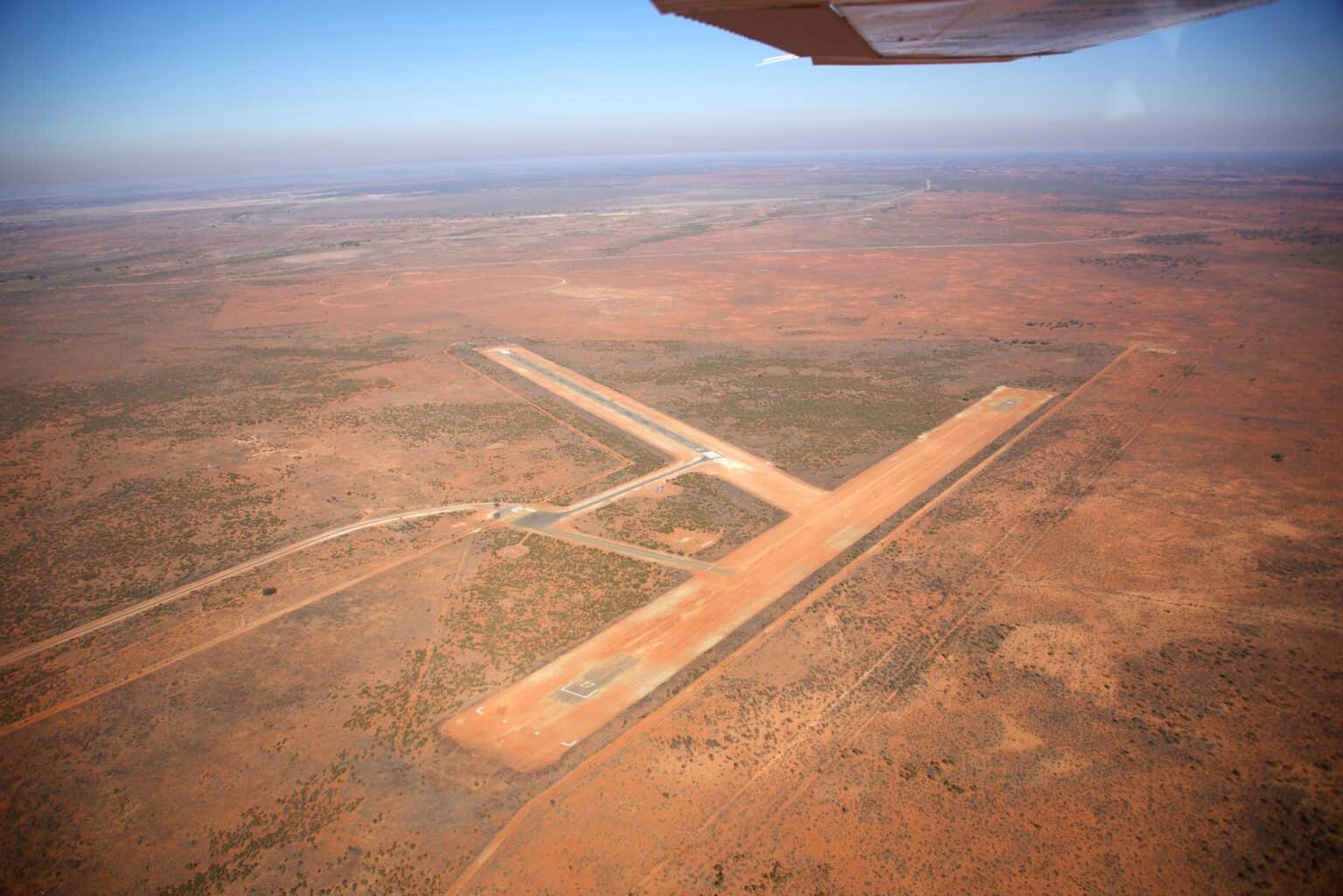
Emergency crews were alerted to the crash at Wanaaring Airstrip at about 1.30pm on Thursday. The settlement sits roughly 190km northwest of Bourke, on the edge of some of the most sparsely populated country in the state.
By the time help arrived, there was nothing that could be done. The pilot was pronounced dead at the scene.
Officers from NSW Police Force moved quickly to lock down the area, establishing a crime scene so that specialist officers could examine the wreckage and surrounding ground in detail.
The Australian Transport Safety Bureau has also launched an investigation into the circumstances of the crash. The federal agency is responsible for independent, no-blame investigations into aviation accidents across the country.
Police will prepare a report for the coroner, who will ultimately examine how and why the man lost his life.
Authorities have not publicly identified the pilot, nor released details about the type of aircraft involved, whether anyone else was on board, or what may have caused the crash.
To understand the weight of this loss, you have to understand Wanaaring.
The tiny township, which sits on the Paroo River within the Bourke Shire, is the kind of place most Australians will never visit.
It is hours from the nearest major services, linked to the outside world by long stretches of road that can be cut off entirely after heavy rain.
In communities like this, light aircraft are not a luxury or a weekend hobby. They are infrastructure.
Station owners use them to check stock and water across properties the size of small nations. Mail, supplies and spare parts can arrive by air.
Medical teams, including the Royal Flying Doctor Service, depend on dirt airstrips like Wanaaring’s to reach patients in emergencies.
That reliance comes with risk.
General aviation, the broad category covering private, agricultural and charter flying in small planes, has long been a focus for air safety regulators, who have repeatedly warned that smaller aircraft operating in remote conditions face hazards rarely encountered by commercial airliners.
Unsealed strips, extreme heat, wildlife on runways, unpredictable winds and the sheer distance from rescue all combine to make outback flying uniquely unforgiving.
When something goes wrong out here, there is very little margin for error, and very little help close at hand.
Analysis: What This Means for Australia
Every fatal crash in the bush sends a ripple far wider than the airstrip where it happens.
For regional and remote Australia, aviation safety is a matter of public safety in the most literal sense. When roads are long, rough or impassable, small planes carry people, medicine and the economic lifeblood of pastoral industries.
A loss of confidence in that network, or a pilot shortage made worse by tragedy, can leave entire districts more isolated than they already are.
There are law enforcement implications too.
The decision to declare a crime scene is standard procedure after a sudden death of this kind, allowing officers to secure evidence before it is disturbed.
But it also highlights the logistical strain on police and emergency services stretched across vast distances, where a single serious incident can tie up scarce resources for days.
The ATSB’s findings, when they come, will be closely watched. Its investigations frequently produce safety recommendations that shape how pilots train, how aircraft are maintained and how remote airstrips are managed.
Economically, the stakes are real.
Agriculture and regional economy are deeply tied to aviation in the far west, where aerial work underpins everything from livestock management to emergency response during floods and bushfires.
And socially, the toll is immediate. In a community this small, a death is never anonymous.
Neighbours, friends and family will be grieving long after the investigators pack up and leave.
Air safety analysts say the early hours after a crash like this are crucial.
Investigators will typically look at the condition of the aircraft, weather at the time, the pilot’s experience and any maintenance history, as well as the state of the airstrip itself.
Industry observers believe remote crashes can be particularly difficult to investigate, as there are often few or no witnesses and limited data from small aircraft, which may not carry the sophisticated flight recorders found on commercial jets.
Law enforcement insiders warn the public not to speculate about the cause while the investigation is ongoing, noting that the crime scene designation does not in itself suggest any wrongdoing.
It is a routine step to protect the integrity of the inquiry and assist the coroner.
Regional advocates say the tragedy is a sobering reminder of the dangers faced every day by those who keep the outback moving, and argue that investment in regional infrastructure, including better-maintained airstrips and faster emergency response, must remain a priority for governments.
Aviation safety specialists also point out that preliminary ATSB reports are usually released within weeks, with final reports taking considerably longer as investigators work through every detail of what happened.
For now, a quiet airstrip in the far northwest of New South Wales has become the focus of a painstaking investigation.
Somewhere, a family is facing the worst news imaginable. And a remote community that depends on the sky has been reminded, in the cruellest way, of how unforgiving it can be.
Anyone with information about the crash is urged to contact Crime Stoppers.