
‘Jet Fuel Tax Lurk for the 1 Per Cent’: Fury as Aussie Drivers Pay 15 Times More Fuel Tax Than Private Jet Owners While Petrol Soars Past $2.15 a Litre
- Motorists hand over 53.7 cents in excise on every litre of petrol, while private aircraft owners pay just 3.556 cents per litre on aviation fuel.
- Parliamentary Budget Office costings suggest closing the gap could deliver about $1.5 billion to the underlying cash balance over the forward estimates, including $640 million in 2026-27 alone.
- The Greens accuse the Albanese government of bankrolling cheap fuel for billionaires while families hunt for supermarket dockets to save four cents a litre.
- The same concession props up the Royal Flying Doctor Service and regional airlines, which makes any overhaul politically explosive.
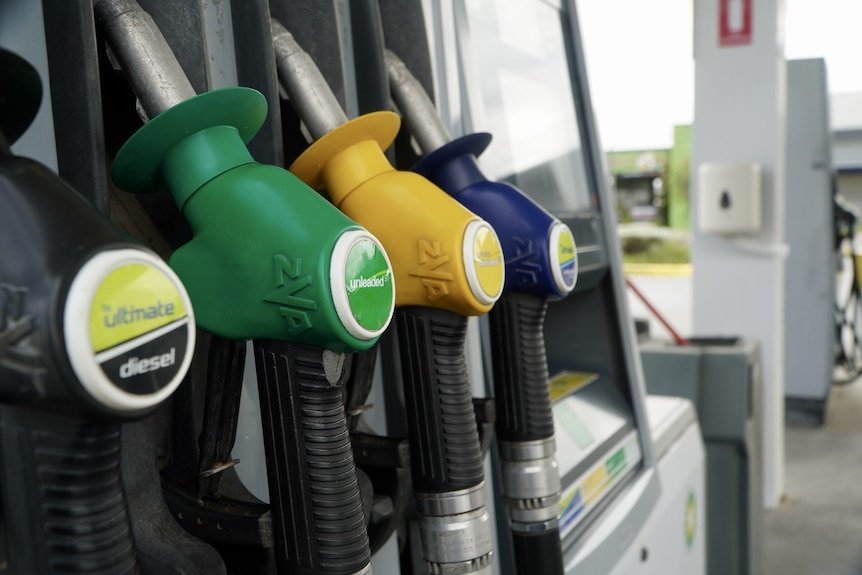
Picture the scene at a Sydney servo this weekend. A mother of three watches the bowser tick past $90 and does the maths on what is left for groceries.
Now picture a private hangar a few kilometres away. A gleaming jet is being topped up, and its owner is paying a sliver of the tax she just paid.
That is the reality laid bare by new figures that have reignited one of the country’s most bitter debates about fairness, privilege and who really carries the weight of the tax system.
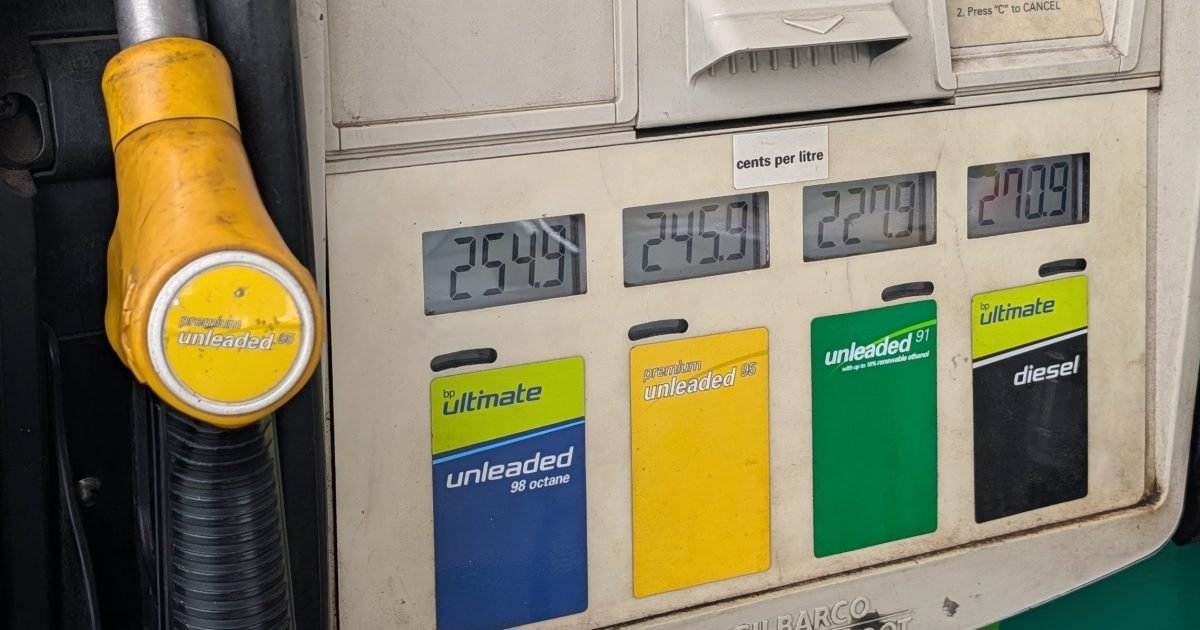
Ordinary Australian drivers are charged 53.7 cents in fuel excise on every litre of petrol. Owners of private aircraft pay only 3.556 cents per litre under the separate rules that govern aviation fuel.
That means a motorist pays roughly 15 times the rate of someone flying their own plane.
More than 200 private jets are registered across Australia, and the wealthy individuals and companies who own them benefit directly from the far lower rate.
The timing could hardly be worse for Canberra.
The ongoing war in the Middle East keeps rattling global oil markets, and E10 unleaded across Sydney was hovering around 215 cents a litre on Sunday.
Greens Senator David Shoebridge has seized on the gap. He is demanding the Albanese government bring private jet fuel into line with what drivers pay.
His message is blunt.
Shoebridge said that while everyday Australians were digging out supermarket receipts to shave four cents off a litre, Labor was using taxpayers’ money to hand billionaires hundreds of millions of dollars off their jet fuel bills.
Anyone wealthy enough to own an aircraft, he argued, did not need help paying to fuel it. He accused the government of once again siding with the “1 per cent”.
The senator’s case leans heavily on costings prepared by the Parliamentary Budget Office and first reported by News.com.au.
The office found that matching the private jet excise rate to the motorist rate would improve the fiscal balance by about $1.2 billion and lift the underlying cash balance by $1.5 billion across the 2026-27 budget forward estimates.
About $640 million of that would land in the 2026-27 financial year alone.
Shoebridge framed the existing system as a taxpayer-funded perk for the rich.
He said it was wrong for Anthony Albanese to cut services for pensioners and people with disability while helping the wealthiest fill their jets for cheap, and urged parliament to shut down what he called a “jet fuel tax lurk”.
But the issue is far messier than a simple battle between battlers and billionaires.
The low excise rate is not a special carve-out for luxury jets. It covers aviation gasoline and kerosene-based jet fuel used right across the sector, including commercial airlines, charter operators and regional carriers.
It also covers the Royal Flying Doctor Service, the beloved lifeline that flies doctors and patients across the outback.
Appearing on Sunrise, The Nightly’s Richard Clune pointed out that the tax treatment applies to the whole aviation industry. It does not separate a tycoon’s Gulfstream from a Rex turboprop or an air ambulance.
He said the concession was partly designed to protect regional connectivity and keep competition alive between airlines.
Even so, Clune doubted the arrangement could survive public scrutiny. Invoking the Prime Minister’s fondness for the “pub test”, he said flatly that this one did not pass it.
Triple M’s Cat Lynch called the disparity “a massive sting” for households battered by the cost of living crisis.
She said it fed a widespread feeling that powerful people win concessions because governments are wary of crossing them.
Australians wrestling with mortgage stress and soaring grocery bills, she said, would find little sympathy for jet owners, adding that anyone who could afford a private plane probably did not need a tax break to refuel it.
Analysis: What This Means for Australia
At its heart this is a fight about trust.
Fuel excise is among the most visible taxes Australians pay, hitting them every time they fill up, and it is indexed upward twice a year in line with inflation.
When drivers learn that a small, wealthy group pays a fraction of that rate, the sense of grievance is immediate and visceral.
The economic stakes are real. A budget windfall of $1.5 billion is not small change for a government under pressure over NDIS funding, pensions and the broader federal budget.
Yet a blanket rise in aviation excise would ripple well beyond private hangars.
Regional airlines already operate on razor-thin margins, and higher fuel costs could mean dearer fares or thinner routes for country towns that rely on air links for medical care, business and family.
There are also national resilience questions. Australia imports the overwhelming majority of its refined fuel, leaving it exposed whenever conflict flares overseas.
Bodies such as the Australian Competition and Consumer Commission closely monitor petrol prices, but drivers have little protection from global shocks.
For communities, the divide sharpens a growing perception of a two-tier nation, one rulebook for the private jet set and another for everyone else.
The policy puzzle is whether government can separate private, non-commercial flying from essential services. That would demand new definitions, compliance checks and enforcement, likely involving the Australian Taxation Office.
Tax policy observers say a targeted approach is technically possible but would face fierce lobbying and complex questions about how to classify corporate-owned aircraft used partly for business.
Aviation industry insiders warn that a poorly designed change could punish regional operators and emergency services by accident, handing critics an easy line of attack against any reform.
Political analysts believe the Greens have found a potent cost-of-living wedge. It forces Labor to either defend a concession that looks indefensible at the bowser or risk a messy brawl with the aviation sector.
Economists note the episode feeds a wider argument about the dozens of fuel tax concessions and credits across mining, farming and transport, many of which cost the budget far more each year.
For now, the government faces a simple question from millions of drivers queuing at the pump: why are they paying 15 times more than the people flying overhead?